

Women in Kickboxing: Breaking Stereotypes and Finding Your Place in the Sport
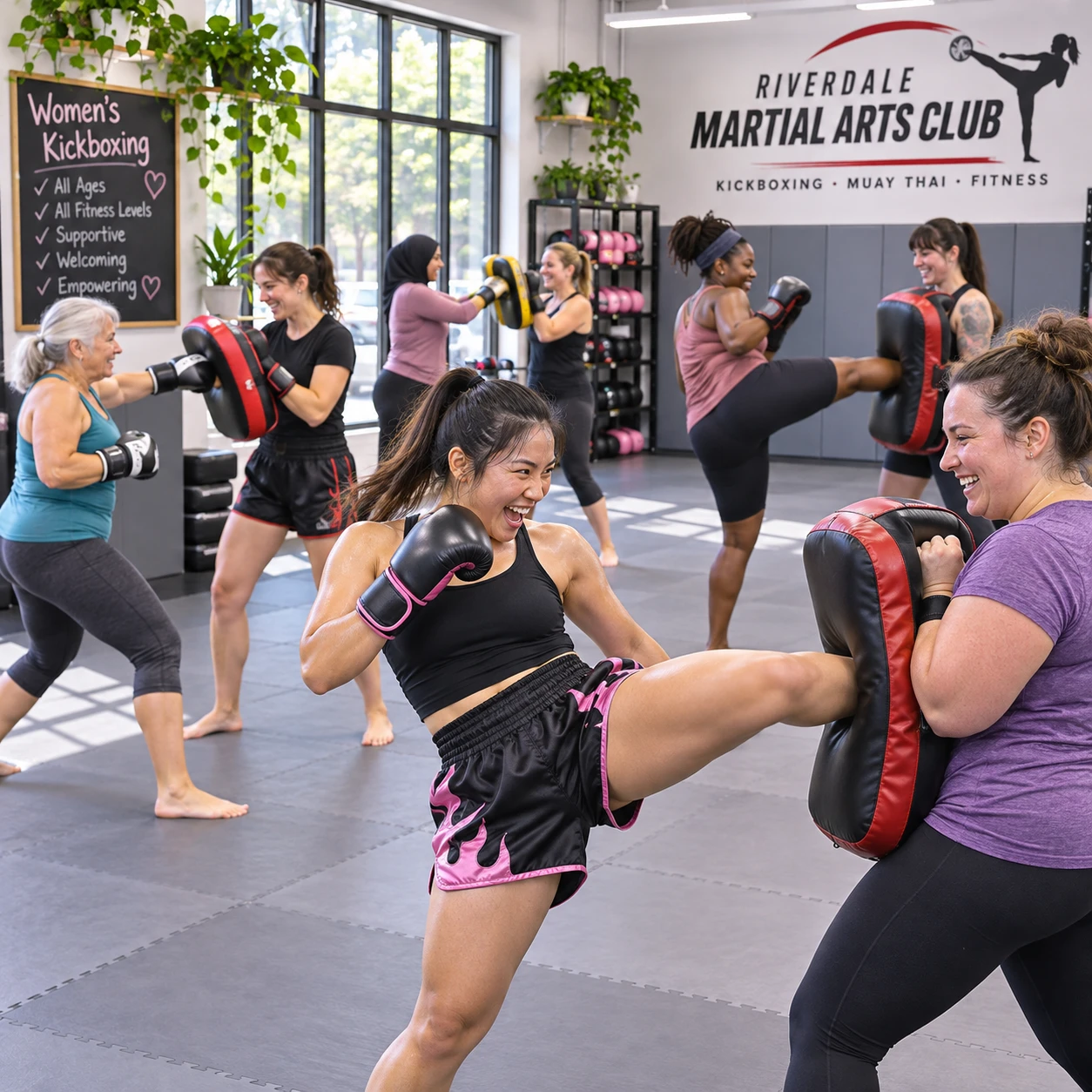
Women train in kickboxing for many different reasons: fitness, technical skill, confidence, community, competition, or simply the enjoyment of learning something new. The sport is not reserved for one gender, body type, or level of athletic experience. A good class makes room for individual goals and lets each person progress at a suitable pace.
The stereotypes surrounding women in kickboxing
Stereotypes about women in kickboxing often suggest that the sport is too aggressive, too difficult, or only suitable for women who want to fight. In reality, participants have varied goals, and training can be adapted to different experience levels and preferences.
Kickboxing is a martial art and a sport with many ways to take part. One student may enjoy learning combinations on pads, while another may be focused on conditioning or preparing for competition. Some women pursue self-defense skills; others have no interest in fighting outside a controlled training environment. None of these choices makes someone more or less of a kickboxer.
Another common assumption is that women need to prove they are tough enough to belong. A respectful club does not treat strength, size, or prior experience as entry requirements. Technical progress comes from practice, clear coaching, and patience. People also develop at different rates, so comparing a beginner’s first session with an experienced athlete’s training is rarely useful.
There is no single experience shared by all women in the sport. Age, culture, confidence, physical ability, and personal goals all shape how someone approaches training. Challenging stereotypes starts with recognizing that range, rather than replacing one narrow image with another.
Why women choose to train
Women choose kickboxing for a mix of reasons, including fitness, skill development, self-confidence, self-defense, and social connection. The right motivation is the one that keeps an individual interested and comfortable returning to class.
Kickboxing training can involve movement, coordination, balance, and cardiovascular effort. The exact demands vary by class, coach, and intensity. A beginner might start with stance, footwork, and simple punches before adding kicks and longer combinations. Over time, seeing a movement become more controlled can be as satisfying as completing a demanding workout.
For some people, learning martial arts builds confidence through practical achievements: remembering a combination, asking for feedback, or choosing an appropriate training partner. Others value the focus of class, where attention shifts to technique and timing. Training can also provide a regular social setting, especially when a club encourages members to learn together rather than compete for attention.
Self-defense may be one reason to start, but kickboxing should not be presented as a guarantee of personal safety. It develops physical skills in a structured setting; awareness, boundaries, avoidance, and seeking help also matter. If self-defense is your main goal, ask a club what its instruction covers and whether it teaches these broader considerations.
What training is really like
A typical beginner kickboxing class may include a warm-up, basic technique practice, pad work or bag work, conditioning, and a cool-down. You can ask the coach to explain the session and modify drills so you can learn safely at your own pace.
Early classes often focus on a stable stance, guard, movement, and a few fundamental strikes. The coach may demonstrate a combination, then ask students to practice it slowly before increasing speed. Partner drills can be part of training, but a beginner should receive clear instructions about contact, target areas, and how to stop or ask for an adjustment.
You do not need to arrive in peak condition or know the terminology. Comfortable exercise clothes are usually enough for a trial class; check with the club about footwear, wraps, gloves, and any equipment it provides. Tell the coach if you have an injury, health concern, or need a different intensity. You can take breaks, observe a drill, or choose a lower-impact option when appropriate.
Progress is easier to judge by consistency and control than by how hard you hit. A useful early goal might be learning to maintain your guard while moving, rather than trying to move as quickly as an experienced student. The trade-off is that fundamentals can feel repetitive, but they help make more complex combinations easier to understand later.
Challenges women may face—and how clubs can help
Women may encounter barriers such as feeling underrepresented, uncertainty about contact, or concern that a club will not take their goals seriously. Clubs can address these issues through thoughtful coaching, clear boundaries, and a culture where every member is treated with respect.
Representation can influence whether someone feels comfortable trying a class, though no club can promise that every student will immediately find a perfect fit. Visible women coaches or experienced members may help beginners picture different ways to participate. Equally important is whether staff listen, explain drills clearly, and respond constructively to questions.
Inclusive coaching is practical, not just a slogan. Coaches can offer beginner-appropriate pairings, explain how to adjust intensity, and establish that sparring requires consent and suitable preparation. They should also address disrespectful behavior promptly. Students need a clear way to raise concerns, and the club should make its policies easy to understand.
- Set expectations: Explain contact levels, equipment, and class structure before drills begin.
- Offer choice: Provide alternatives for fitness, technical practice, and sparring where the program allows.
- Pair thoughtfully: Consider experience, size, skill, and comfort rather than making assumptions about who should train together.
- Invite feedback: Check in with beginners and take concerns seriously without making them responsible for fixing the club culture.
Women are not a single group, so inclusion also means avoiding assumptions about what someone can do or wants to do. A member may prefer non-contact training, while another may want to prepare for a bout. Coaches should ask rather than guess.
From first class to competition—or not
Kickboxing can remain a recreational activity, or it can lead to competition if a student chooses that path. Neither option is more valid, and no one should feel pressured to spar or compete to prove they belong.
Many people train for enjoyment, fitness, technical development, or the social routine. They may practice on pads and bags without entering the ring. Others become interested in sparring, which introduces controlled practice against a partner and requires coaching, consent, and appropriate preparation. Sparring is a step to discuss with a coach, not something a beginner should be rushed into.
Competition involves additional demands. Depending on the rules and event, preparation may include more structured training, medical or eligibility requirements, protective equipment, and a clear understanding of weight categories and bout conditions. Regulations differ among organizations, so athletes should confirm details with their coach and the relevant event body.
If you are curious, ask what the club’s competition pathway looks like and what milestones it expects before a first bout. A responsible coach will discuss readiness honestly and respect a decision to wait or decline. A strong training community supports both the competitor preparing for an event and the member who is happy to keep learning in regular classes.
How to find a welcoming kickboxing club
A welcoming kickboxing club has qualified, attentive coaching, clear beginner support, and a training culture that respects boundaries. A trial class is a practical way to assess whether the club’s approach fits your goals.
Before visiting, check the class schedule, beginner options, equipment requirements, and whether you need to book. When you arrive, notice how the coach greets new students and explains the session. You should be able to ask questions without being mocked or pushed into contact you have not agreed to.
Use these questions to evaluate a club:
- Does the coach explain technique and demonstrate appropriate progressions for beginners?
- Are contact rules and expectations for sparring clear?
- Can students choose drills or intensity levels that suit their experience and goals?
- Are partners matched thoughtfully, and does the coach supervise practice?
- Does the club have a clear process for handling concerns or inappropriate behavior?
Pay attention to the atmosphere as well as the facilities. A polished space cannot make up for coaching that ignores discomfort, while a modest club may offer excellent instruction and care. You are choosing a place to learn, so give yourself permission to visit more than one before deciding.
Frequently asked questions
Do you need prior experience to start kickboxing?
No. Beginner classes are designed to teach foundational movement and technique. Tell the coach that it is your first session so they can explain the drills and equipment.
Is kickboxing suitable for women of different fitness levels?
It can be, provided the class offers appropriate instruction and options. Fitness, mobility, and experience vary, so ask about modifications and speak with a healthcare professional if you have a condition that may affect exercise.
Do all women who train need to compete?
No. Many people train recreationally and never compete. Competition is an optional pathway, not a requirement for learning kickboxing or being part of a club.
What should you look for in a welcoming kickboxing club?
Look for attentive coaching, clear contact boundaries, beginner support, thoughtful partner matching, and a culture that respects different goals. A trial class can help you judge whether the club feels right for you.