Famous Kickboxers Who Changed the Sport
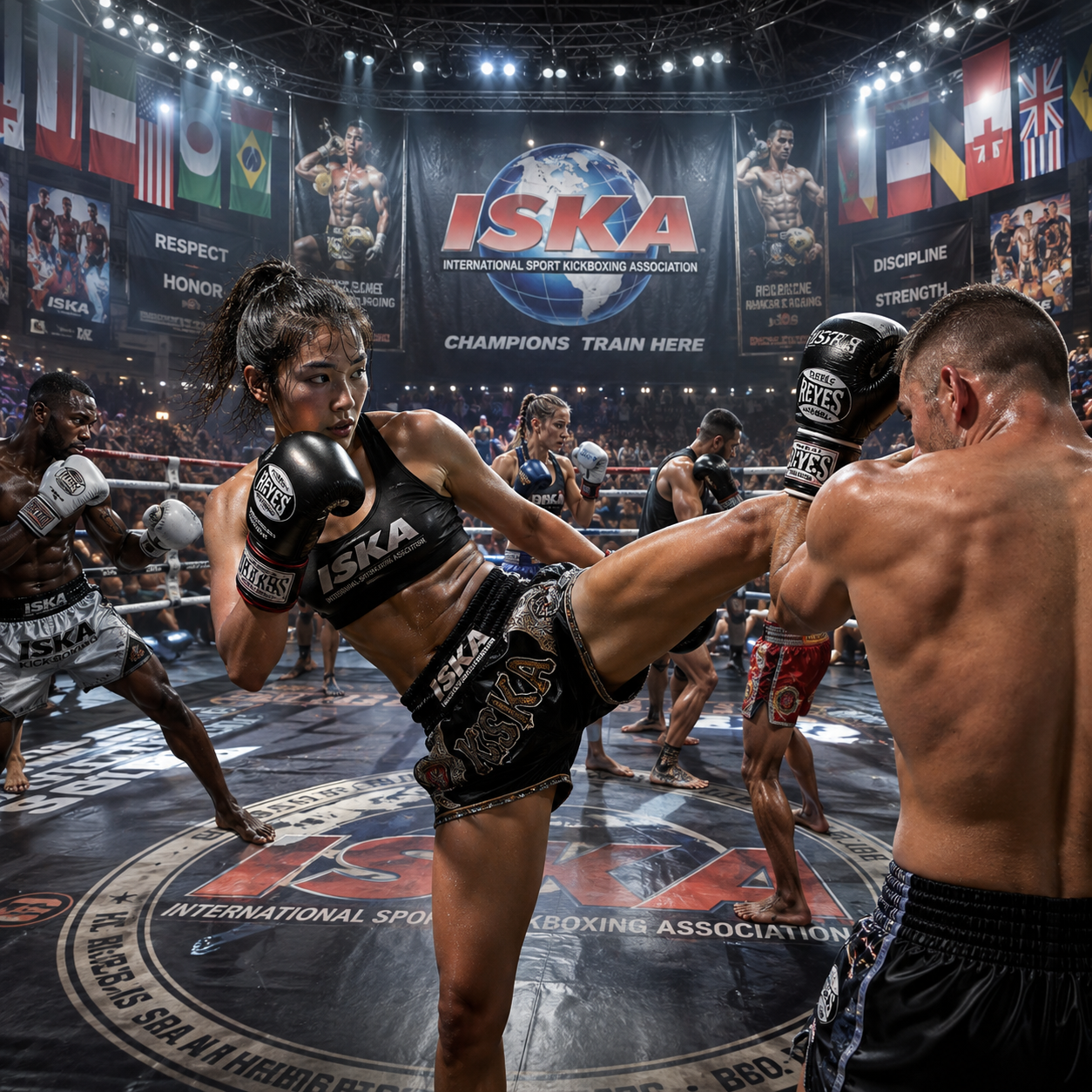
Kickboxing became a global sport through more than spectacular knockouts. Its development reflects the work of fighters who introduced new tactics, raised professional standards, filled major arenas, and showed audiences how different striking traditions could succeed under shared rules. From the full-contact kickboxing pioneers of the United States to the tournament stars of K-1 and the precision specialists of the modern era, each generation added something important.
The most famous kickboxers changed the sport in different ways. Some built its competitive foundation, some refined its technique, and others connected regional styles with a worldwide audience. Their combined influence can be seen in today’s gyms, promotions, coaching systems, judging discussions, and athlete preparation.
What Makes a Kickboxer Influential?
An influential kickboxer changes more than a record book. Their legacy usually combines technical innovation, championship success, international reach, professional conduct, and an ability to influence future athletes.
A useful way to assess a fighter’s impact is the five-part legacy test:
- Technique: Did the athlete popularize an effective skill, combination, defensive system, or tactical approach?
- Competition: Did they perform consistently against elite opponents or succeed in demanding tournament formats?
- Professional standards: Did their preparation, conditioning, discipline, and ring strategy raise expectations?
- Visibility: Did their performances help promotions, television audiences, and international fans discover kickboxing?
- Continuation: Can later fighters, coaches, and gyms clearly trace part of their development to that athlete?
This framework also prevents a narrow comparison between different rulesets. Muay Thai, Dutch kickboxing, full-contact kickboxing, and K-1 may emphasize different combinations of punches, kicks, knees, clinch work, and scoring priorities. A fighter’s influence should therefore be judged within their competitive context rather than through one universal definition of greatness.
Early Pioneers Who Built Kickboxing’s Foundation
Early pioneers made kickboxing visible as a serious professional combat sport. Benny “The Jet” Urquidez and Don “The Dragon” Wilson helped establish the credibility, excitement, and international identity on which later promotions were built.
Benny “The Jet” Urquidez
Benny Urquidez became one of the defining figures of early American kickboxing. Competing across a period when rules and terminology were still developing, he helped demonstrate that a Western fighter could build a complete striking game around punches, kicks, movement, and conditioning.
His influence extended beyond individual victories. Urquidez brought a fast, aggressive style to international competition and helped audiences recognize kickboxing as a distinct discipline rather than a loose exhibition of martial arts techniques. His activity in Japan was especially significant because it connected American full-contact kickboxing with a country that would later become central to the sport’s promotional growth.
His legacy is visible in the emphasis many coaches place on combinations, ring mobility, and physical readiness. The trade-off in his high-output approach was demanding energy management: constant pressure only works when a fighter can maintain balance, accuracy, and defensive awareness.
Don “The Dragon” Wilson
Don Wilson helped give full-contact kickboxing a recognizable professional profile in the United States. His polished boxing combinations, kicking ability, and competitive longevity showed that kickboxing could support a sustained career rather than a short-lived novelty.
Wilson’s importance also came from presentation. His success helped connect martial arts audiences with mainstream sports entertainment while preserving the idea that technical preparation mattered. Fighters who followed benefited from a clearer model of how to train, promote events, and build an identity around kickboxing competition.
These pioneers worked in an era with less standardization than modern athletes enjoy. Rules, judging, titles, and promotional structures varied widely. That inconsistency limited direct comparisons, yet it also makes their contribution more important: they competed while the sport was still defining its own boundaries.
The Rise of Elite Competitive Kickboxing
Elite tournament kickboxing raised the value of tactical discipline and repeatable performance. Ernesto Hoost became a central example of how combinations, low kicks, conditioning, and intelligent game planning could succeed against a wide range of opponents.
Ernesto Hoost
Known as “Mr. Perfect,” Ernesto Hoost became one of the signature champions of the K-1 era. His influence was not based solely on titles. He showed how a fighter could win through structured pressure: boxing combinations opened opportunities for low kicks, while measured footwork helped him stay in position to attack again.
Hoost’s approach suited the demands of high-level tournament competition, where athletes had to manage fatigue, injuries, changing opponents, and limited preparation between bouts. He made the basics look sophisticated. A jab, cross, hook, and low kick could become a complete tactical system when delivered with correct timing and distance.
K-1 also changed the competitive environment. Its stand-up format brought elite fighters from different backgrounds into a common arena and gave fans a simple tournament narrative. The format rewarded adaptability, but it could also punish athletes through compressed schedules and accumulated damage. Hoost’s performances illustrated the value of conserving energy without surrendering initiative.
Modern coaches still study his ability to combine boxing volume with leg-kick damage. His career helped shift training toward opponent-specific preparation, detailed conditioning plans, and the ability to repeat technically sound actions late in a fight.
Technical Innovators and Modern Masters
Modern masters changed kickboxing by making precision, defense, and timing central weapons. Giorgio Petrosyan represents this evolution through controlled distance, economical offense, and an unusually low-error approach to elite striking.
Giorgio Petrosyan
Giorgio Petrosyan, often called “The Doctor,” became renowned for his ability to read attacks before they fully developed. Rather than relying on constant exchanges, he used small positional adjustments, sharp counters, tight defense, and carefully selected combinations to control the rhythm of a bout.
Petrosyan’s influence matters because it challenged the assumption that the most entertaining fighter must always be the most aggressive. His performances showed that ring control can be expressed through denial: taking away an opponent’s preferred distance, interrupting combinations, and forcing attacks to fall short.
His style influenced contemporary athletes who now devote more time to visual cues, defensive transitions, feints, counterpunching, and balanced exits. The limitation is clear, too. A precision-first strategy demands patience and excellent judging awareness. A fighter who retreats without producing enough meaningful offense may appear passive, even when technically superior.
Petrosyan’s legacy is especially relevant for developing athletes. He demonstrates that speed does not always mean moving faster. It can mean recognizing an opening earlier, choosing a shorter technique, and returning to defensive position before the opponent can respond.
Global Stars Who Expanded the Sport’s Audience
Global stars expanded kickboxing by turning elite performances into accessible international stories. Buakaw Banchamek connected powerful Thai striking with modern promotional formats and introduced millions of fans to the intensity of high-level kickboxing.
Buakaw Banchamek
Buakaw Banchamek became one of the most recognizable kickboxers of the twenty-first century. His explosive round kicks, forceful knees, physical clinch work, and aggressive combinations reflected elements associated with Muay Thai while adapting effectively to kickboxing rules and promotional expectations.
His success in international competitions helped audiences understand the value of Thai technique within a global kickboxing setting. Buakaw’s style was visually clear: hard kicks changed posture, knees punished close range, and forward pressure created immediate drama. That clarity made him an outstanding ambassador for the sport.
He also showed how a fighter’s public image, media presence, and international schedule could influence participation. Fans who first discovered Buakaw through televised tournaments or online highlights often encountered kickboxing gyms, seminars, and local events afterward.
His career also illustrates the importance of rules. Clinch duration, knee allowances, scoring, and permitted techniques can significantly affect how Muay Thai-based skills transfer to kickboxing. Buakaw’s adaptability helped bridge those systems without suggesting that one style should replace the others.
How These Fighters Changed Training and Fighting Styles
These champions changed training by making complete preparation more systematic. Modern kickboxers combine technical repetition, tactical analysis, conditioning, recovery, and ruleset-specific strategy instead of relying on a single signature weapon.
Their collective influence appears in several areas:
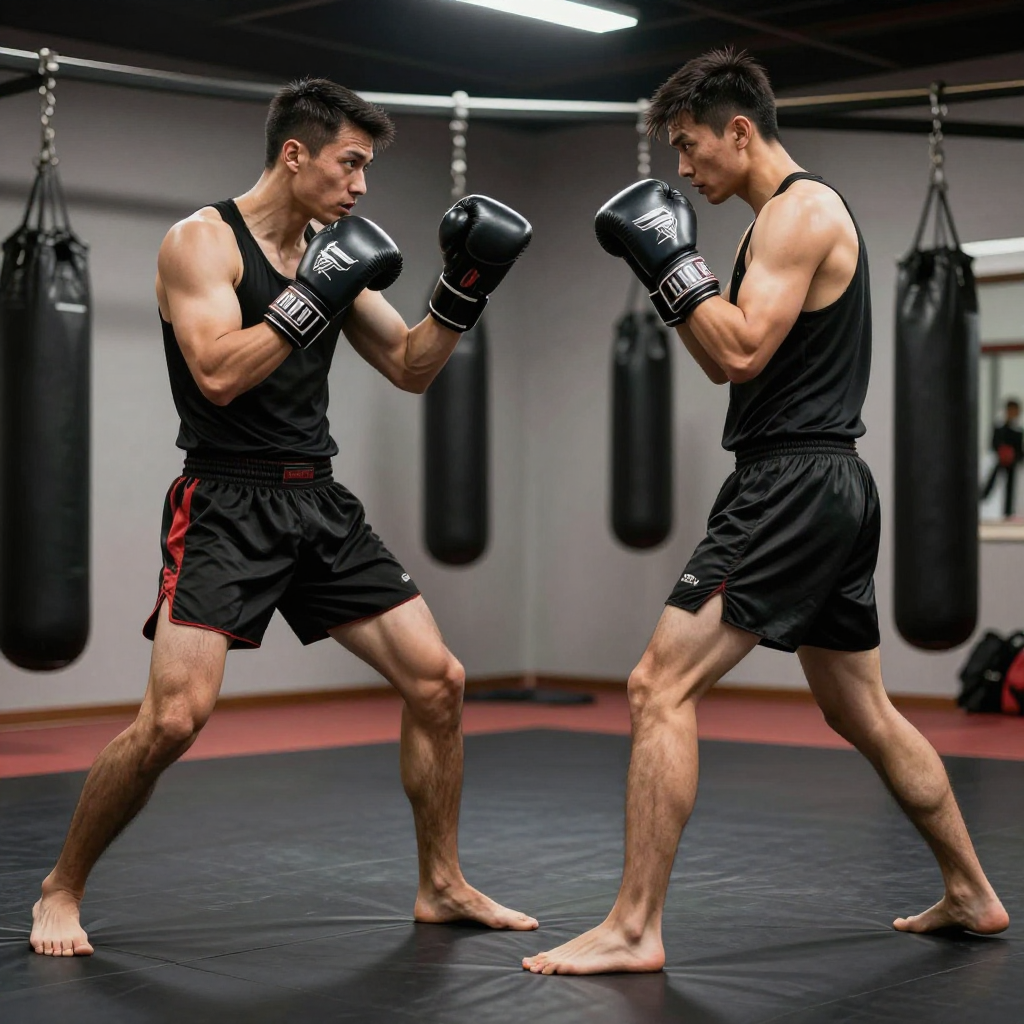
- Leg-kick mechanics: Fighters study hip rotation, balance on the supporting leg, impact position, and safe exits. Hoost and Buakaw helped make the low kick and round kick central parts of modern game planning.
- Boxing combinations: Urquidez, Wilson, and Hoost demonstrated that punches create openings for kicks, while kicks can force defensive reactions that expose the head and body.
- Defensive movement: Petrosyan’s example encouraged sharper distance management, parries, checks, counters, and angle changes after exchanges.
- Clinch and close-range work: Buakaw highlighted the importance of knees, posture, framing, and short attacks, especially when rules permit limited clinching.
- Conditioning: Tournament formats pushed athletes toward repeat-effort conditioning, while modern camps increasingly separate aerobic capacity, power, strength, and recovery sessions.
- Strategic preparation: Coaches now review footage, identify an opponent’s preferred range, and build specific responses rather than teaching a fixed game plan.
A practical training model is the range-to-result chain: identify the distance, choose the first contact, create the reaction, finish with the highest-percentage technique, and exit safely. For example, a jab can draw a high guard, the rear low kick can attack the lead leg, and a lateral step can prevent the opponent from returning immediately.
Training should still match the ruleset. A full-contact kickboxing athlete may prioritize clean punching and kicking combinations, while a K-1 fighter must account for restricted clinch time and a Muay Thai-influenced athlete may develop more extensive knee and clinch skills. Copying a champion’s techniques without copying the conditions that made them effective is a common coaching mistake.
The Lasting Legacy of Kickboxing’s Famous Champions
The lasting legacy of famous kickboxers is a stronger, more international sport with deeper technical standards. Their impact reaches athletes, coaches, promotions, associations, gyms, broadcasters, and fans.
Urquidez and Wilson helped establish professional credibility when kickboxing needed public recognition. Hoost showed how tournament competition could reward disciplined combinations and preparation. Petrosyan refined the value of timing and defensive intelligence. Buakaw demonstrated the worldwide appeal of powerful, adaptable striking rooted in a distinct cultural tradition.
Together, they changed the sport in four connected ways:
- They broadened the technical vocabulary of kickboxing, from American full-contact combinations to Dutch pressure, precise counterfighting, and Muay Thai-based knees and kicks.
- They raised competitive expectations through conditioning, tactical planning, and consistent performance under pressure.
- They supported international development by connecting fighters and audiences across the United States, Europe, Japan, Thailand, and other regions.
- They gave future athletes models to study, whether the goal is aggressive pressure, tournament durability, measured counterfighting, or global representation.
Kickboxing continues to evolve as associations, promotions, gyms, and athletes refine rules and professional pathways. Its history cannot be reduced to one champion or one style. The sport’s identity comes from the interaction of many traditions and personalities, each adding a different answer to the same competitive question: how can a fighter strike effectively, defend intelligently, and perform when the pressure is highest?
Frequently Asked Questions About Famous Kickboxers
What makes a kickboxer influential?
An influential kickboxer combines high-level performance with a lasting effect on technique, training, competition, promotion, or public interest. Titles matter, but so do innovation, consistency, and the number of athletes who adopt their methods.
Who helped popularize kickboxing internationally?
Benny Urquidez and Don Wilson helped establish early international credibility, while Ernesto Hoost, Giorgio Petrosyan, and Buakaw Banchamek reached global audiences through major competitions and widely viewed performances.
How did K-1 affect modern kickboxing?
K-1 created a highly visible tournament platform where elite stand-up fighters from different backgrounds competed under recognizable rules. It helped standardize the presentation of top-level bouts and encouraged athletes to develop adaptable, high-output striking games.
Which famous kickboxers influenced training techniques?
Hoost influenced combination work, low-kick strategy, and tournament conditioning. Petrosyan highlighted timing, defense, and ring control. Buakaw emphasized powerful kicks, knees, clinch awareness, and physical pressure, while the early pioneers helped establish comprehensive full-contact preparation.
How has kickboxing evolved through different generations?
Kickboxing has moved from relatively varied early formats toward more structured promotions, specialized coaching, detailed opponent analysis, and international competition. Its modern style blends influences from full-contact kickboxing, Dutch kickboxing, Muay Thai, and tournament systems such as K-1.