Muay Thai vs. Kickboxing: Key Differences Every Martial Arts Fan Should Know
What Is Muay Thai?
Muay Thai is a striking-based combat sport originating in Thailand, widely known as the "Art of Eight Limbs" because it weaponizes fists, elbows, knees, and kicks — eight points of contact compared to the four used in most Western combat sports. It has been practiced for centuries and formalized as a competitive sport in the early 20th century under the governance of organizations like the World Muay Thai Council.
What separates Muay Thai from nearly every other stand-up discipline is its reliance on the clinch. Rather than breaking contact when fighters close the distance, Muay Thai practitioners use the clinch to deliver devastating knee strikes and off-balance opponents before sweeping or throwing them. This makes it a far more complete close-range striking system than most people expect walking in.
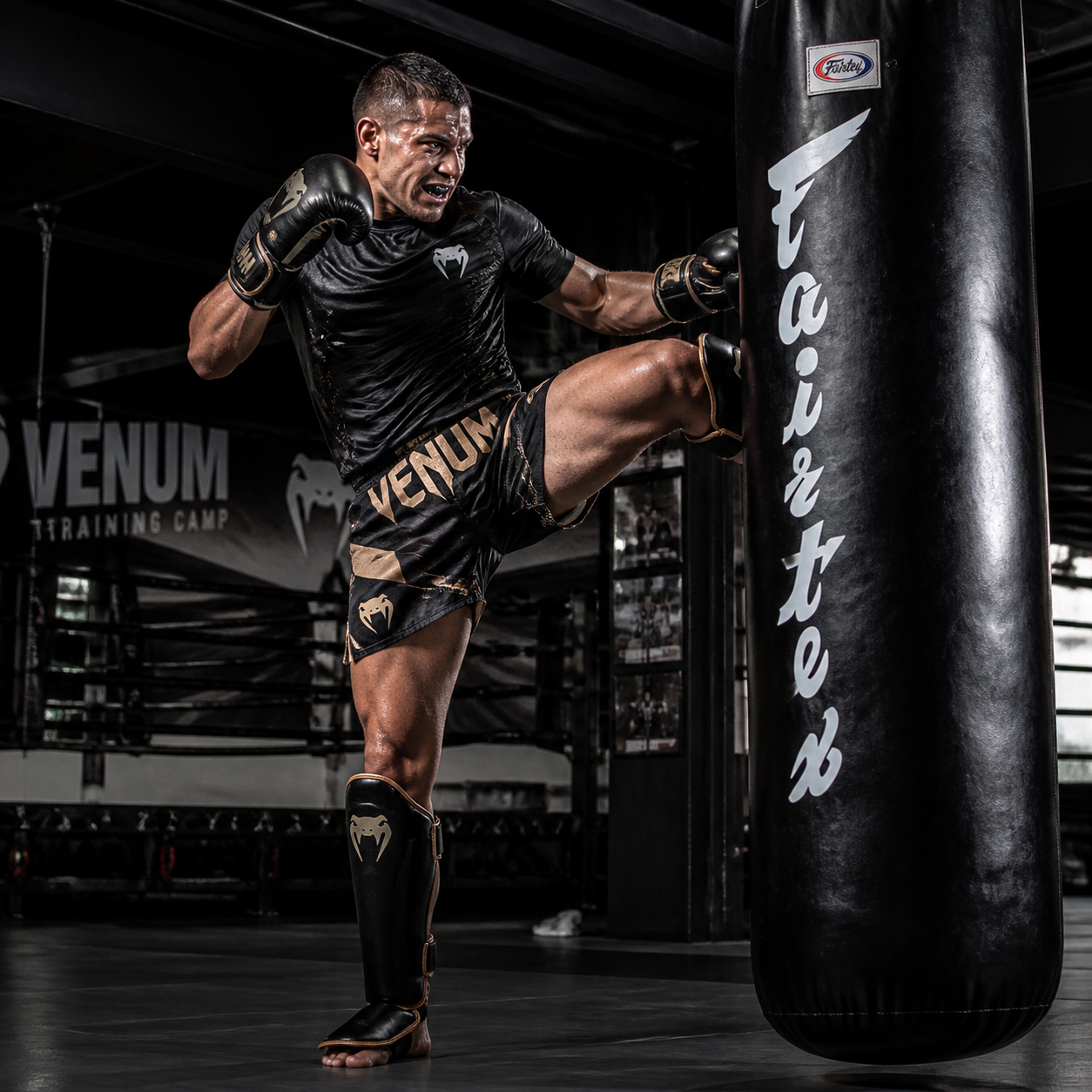
Training culture in Thailand — and increasingly worldwide — emphasizes repetition, conditioning, and pad work over elaborate techniques. You'll spend a lot of time on the heavy bag, doing Thai pads with a trainer, and sparring at controlled intensity. Progress is measurable, and the physical demands are real.
What Is Kickboxing?
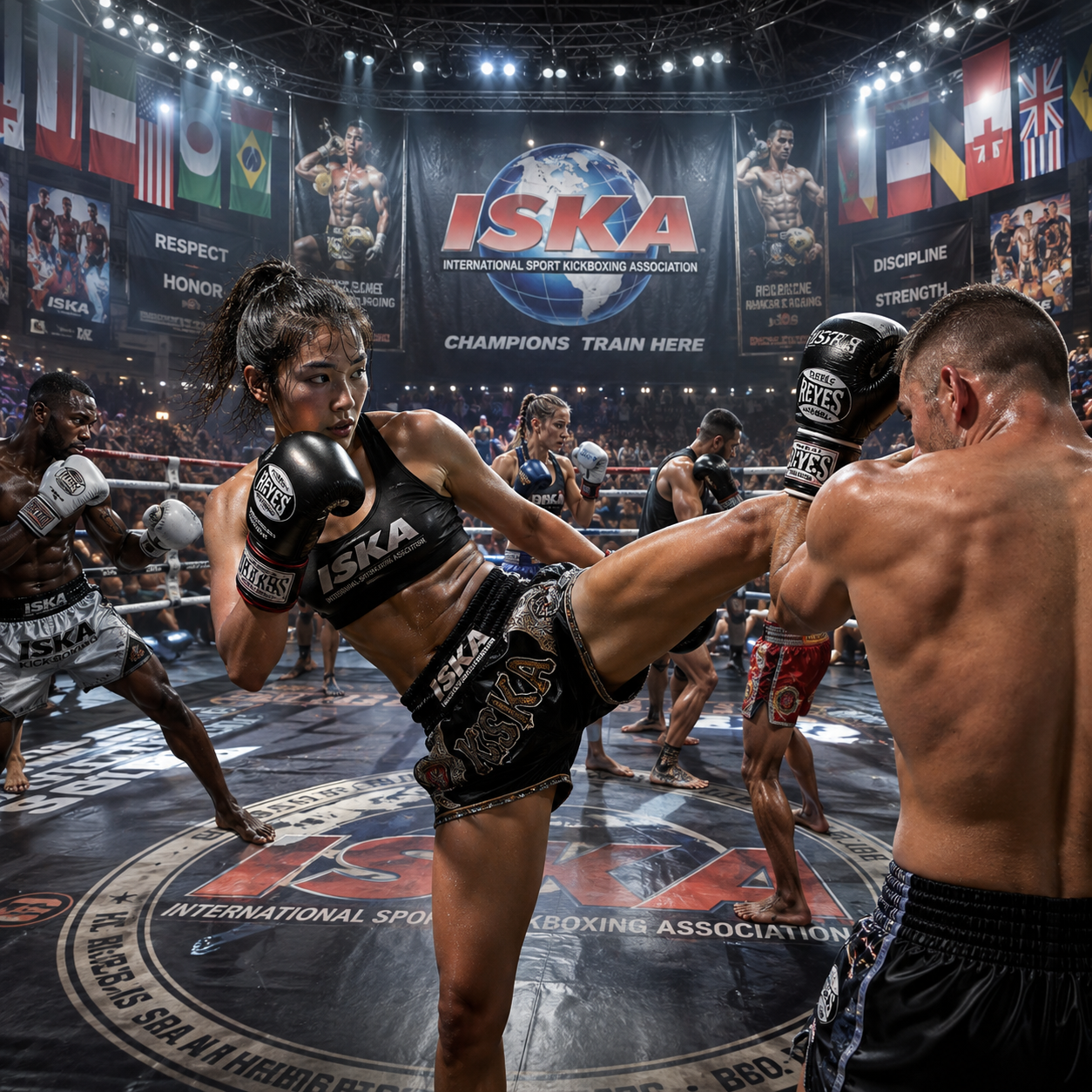
Kickboxing is not a single sport — it's a family of striking disciplines that share punches and kicks as core techniques but differ significantly in rules, culture, and permitted weapons. The three most prominent styles are American kickboxing, Dutch kickboxing, and Japanese K-1, and treating them as interchangeable is one of the most common mistakes beginners make.
American kickboxing (also called full-contact karate) generally prohibits leg kicks and clinch work, focusing on punches and kicks above the waist. It has a strong sport-karate influence and tends to reward fast, flashy combinations.
The Dutch style blends Western boxing with powerful low kicks and aggressive pressure. Dutch kickboxers are known for their punching power and forward-moving combinations — think Badr Hari or Rico Verhoeven. This style has heavily influenced modern MMA striking.
K-1 rules, developed in Japan in the 1990s, allow punches, kicks, and knee strikes (in some variations), but prohibit elbows and restrict clinch engagement. K-1 produced some of the most spectacular stand-up fights in combat sports history and remains a major competitive format globally.
Allowed Techniques: Where the Biggest Differences Lie
The clearest way to separate these disciplines is by looking at what each ruleset actually permits. Muay Thai allows the widest striking arsenal; kickboxing varies by style but is generally more restrictive.
| Technique | Muay Thai | American Kickboxing | K-1 / Dutch |
|---|---|---|---|
| Punches | Yes | Yes | Yes |
| Kicks (high/mid) | Yes | Yes | Yes |
| Low kicks (leg kicks) | Yes | No | Yes |
| Elbows | Yes | No | No |
| Knee strikes | Yes | No | Limited |
| Clinch / clinch fighting | Yes (active) | No | Brief only |
| Teep (push kick) | Yes | Sometimes | Yes |
The elbow strike is the most distinctive weapon in Muay Thai's arsenal and the technique most absent from kickboxing formats. At close range, a well-placed elbow can cut an opponent or end a fight outright. Removing it from competition fundamentally changes how close-range exchanges are managed.
Clinch work is similarly transformative. In Muay Thai, the clinch is an entire sub-game involving balance, knee placement, and sweeps. In most kickboxing formats, fighters are broken apart almost immediately after contact — which changes how you train and how you think about distance management.
Rules, Scoring, and Competition Format
Scoring in Muay Thai prioritizes damage and dominance, not just volume. Thai judges traditionally reward fighters who land hard, clean strikes — especially kicks and knees — over those who throw more punches but with less impact. A fighter who controls the clinch and lands damaging knees can win rounds even if they're being out-punched in terms of sheer number.
Kickboxing scoring, particularly under K-1 and American formats, tends to align more closely with boxing: judges reward combination punching, aggression, and ring generalship. Knockdowns count heavily, and a single knockdown can shift the outcome of a round dramatically.
Round structure also differs. Professional Muay Thai bouts in Thailand are typically five rounds of three minutes. K-1 and most Western kickboxing events run three rounds, sometimes with an optional extension round. This affects pacing strategy — Muay Thai fighters often use the first two rounds to read opponents before escalating intensity.
Training Style, Stance, and Footwork
The physical training approach differs in ways that matter for how your body develops. Muay Thai training involves heavy conditioning — skip rope, shadowboxing, bag work, Thai pad sessions, clinch drilling, and sparring. The stance is typically more square-on than in boxing, with the lead leg available for checking leg kicks and the hands held higher to protect against elbows.
Kickboxing stance, particularly in the Dutch style, is closer to a boxing stance — slightly bladed, weight distributed for lateral movement. Footwork tends to be more active and boxing-influenced, with fighters using angles to set up combinations rather than the more rooted, pressure-based approach common in Thai boxing.
Neither approach is objectively better — they reflect the demands of their respective rulesets. A Muay Thai fighter's square stance makes sense when elbows and clinch knees are in play. A kickboxer's bladed stance makes sense when lateral movement and combination punching are primary weapons.
Which Is Better for Self-Defense or Fitness?
For self-defense, Muay Thai offers a broader toolkit. The combination of elbows, knees, clinch control, and powerful kicks covers most real-world ranges of engagement. A trained Muay Thai practitioner can manage the clinch — where most untrained altercations end up — in a way that a kickboxer without clinch experience cannot.
That said, any consistent striking training beats no training. A year of kickboxing will develop your timing, distance management, and punching power to a level that serves you well in most self-defense scenarios. The gap between the two disciplines matters more at advanced levels than it does for someone just starting out.
For fitness and conditioning, both styles deliver exceptional results. A typical 60-minute Muay Thai class — combining skipping, pad work, bag rounds, and sparring — can burn between 500 and 800 calories depending on intensity and body weight. Kickboxing cardio classes (the gym-fitness variety, not competitive training) are somewhat less intense but still highly effective for cardiovascular health and body composition.
If your primary goal is weight loss or general fitness without competitive ambitions, either discipline works well. If you want a more complete striking skillset and don't mind a steeper initial learning curve, Muay Thai delivers more long-term depth.
Which Should You Choose? Muay Thai or Kickboxing?
The right choice depends on your specific goals, not on which discipline is abstractly "better." Here's a practical framework:
- Choose Muay Thai if you want the most comprehensive stand-up striking system, plan to compete in Thai boxing or MMA, or want to develop effective close-range and clinch skills.
- Choose kickboxing (Dutch or K-1 style) if you have a strong interest in combination punching, enjoy a more boxing-influenced approach, or want to compete in K-1 format events.
- Choose American kickboxing or cardio kickboxing if fitness and stress relief are your primary goals and competitive sparring isn't on your radar.
- Cross-train in both if you're preparing for MMA or simply want to develop the most well-rounded striking game possible.
Gym quality and coaching matter more than the discipline itself at the beginner level. A great Muay Thai coach will take you further than a mediocre kickboxing program, and vice versa. Visit gyms, watch a class, and talk to the coaches before committing.
Frequently Asked Questions
Can you use elbows in kickboxing?
No — elbows are not permitted in any major kickboxing format, including American kickboxing, K-1, or Dutch-style competition. Elbows are exclusive to Muay Thai rulesets.
Is Muay Thai harder to learn than kickboxing?
Muay Thai has a steeper initial learning curve because it requires mastering more techniques — elbows, knees, and clinch work in addition to punches and kicks. Kickboxing (especially American style) is generally considered more accessible for complete beginners. That said, both sports reward years of dedicated practice.
Which is more effective in MMA — Muay Thai or kickboxing?
Muay Thai is widely regarded as the more MMA-applicable striking base, primarily because of its clinch work and knee strikes — both of which translate directly to cage fighting. Dutch kickboxing's combination punching is also highly valued, and many top MMA strikers blend both systems. You can read more about how striking arts are applied in mixed competition on Wikipedia's MMA overview.
Can you cross-train in both Muay Thai and kickboxing?
Absolutely, and many serious competitors do exactly that. The techniques are compatible, and training in both disciplines gives you a broader striking vocabulary. The main adjustment is adapting to different clinch rules and stance preferences when switching between rulesets.
Which burns more calories: Muay Thai or kickboxing training?
Competitive Muay Thai training tends to be more physically demanding overall due to the addition of clinch drilling, knee conditioning, and the intensity of pad sessions. However, the difference isn't dramatic — both styles provide excellent cardiovascular workouts. Calorie burn depends far more on training intensity and individual effort than on the discipline itself.