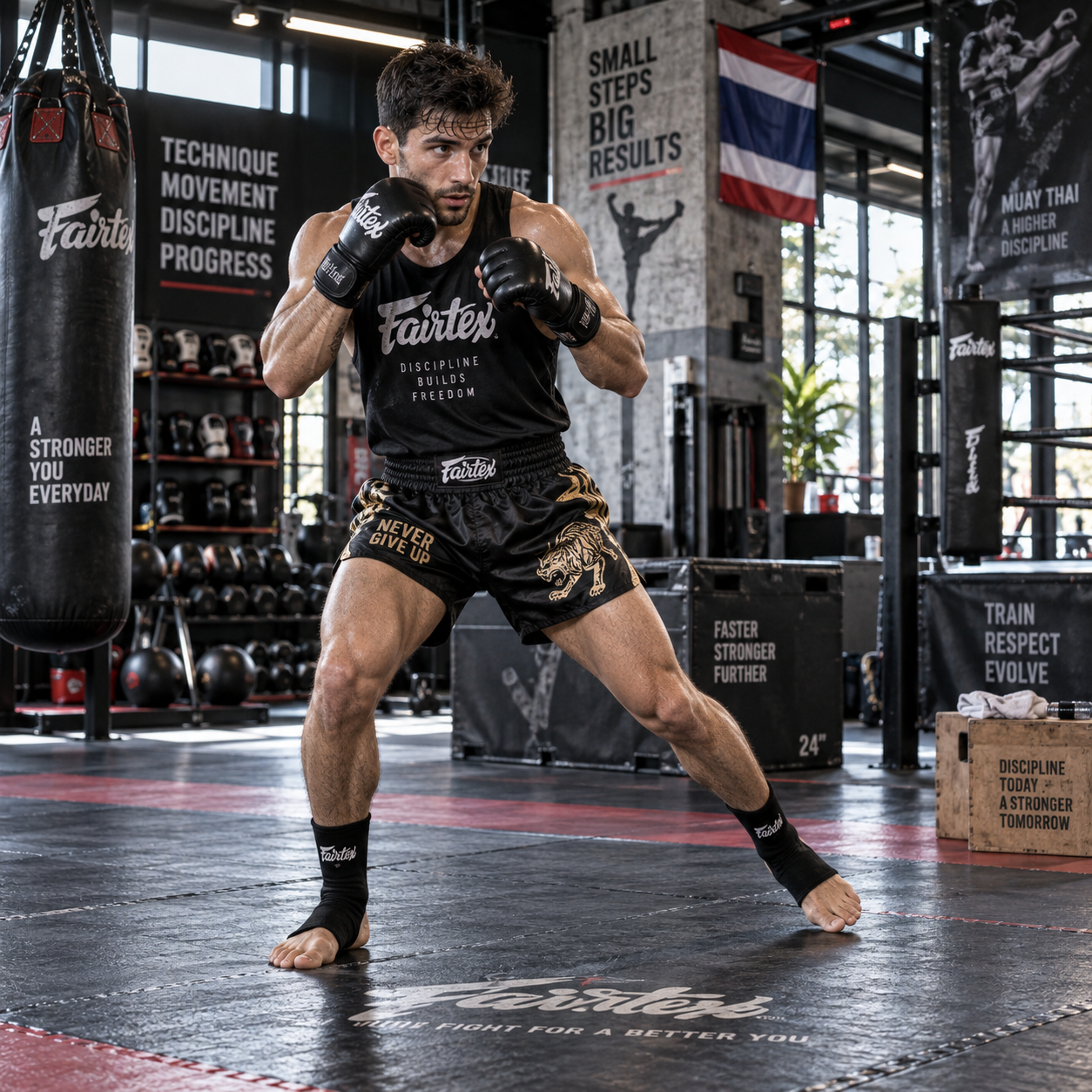

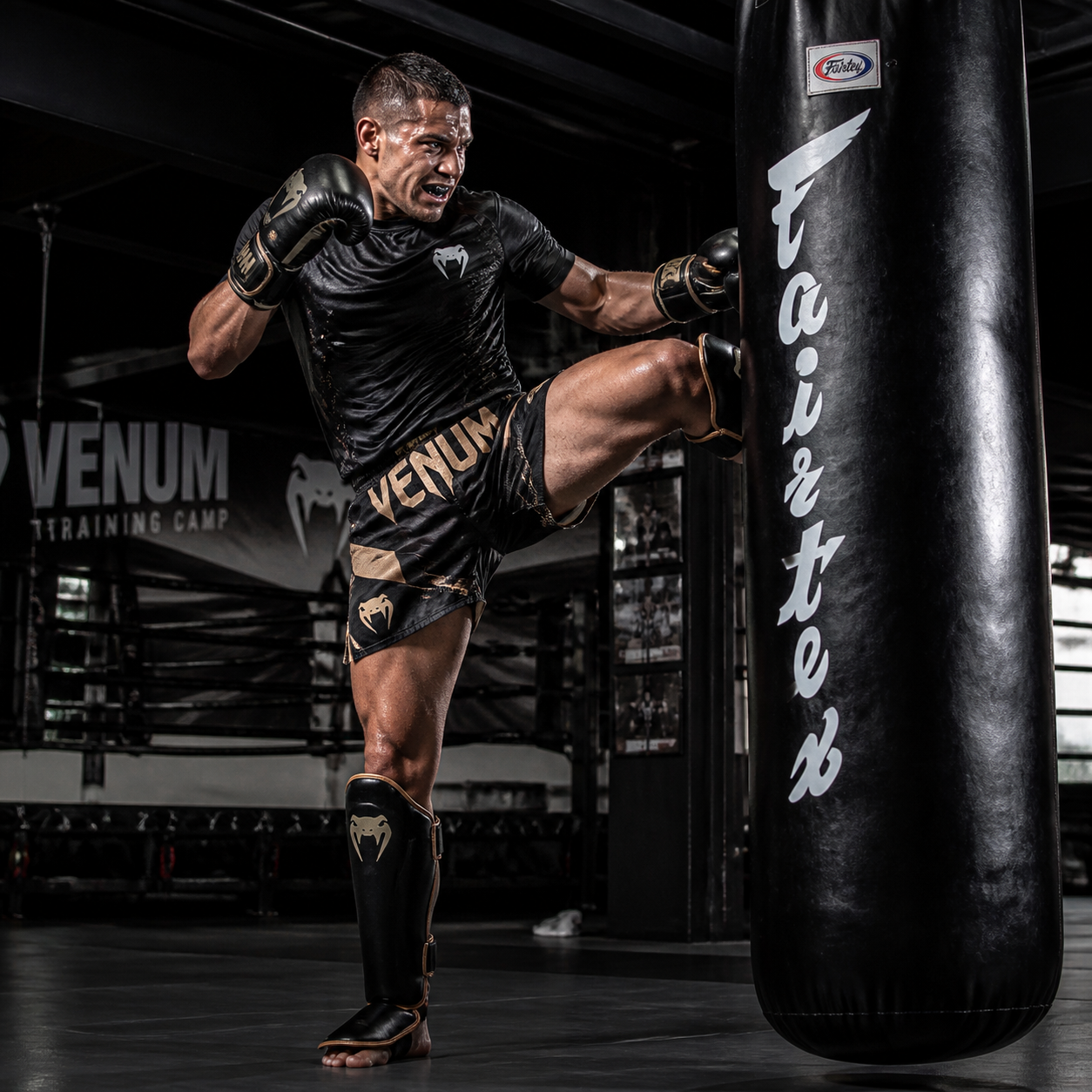

Common Injuries in Kickboxing and How to Prevent Them
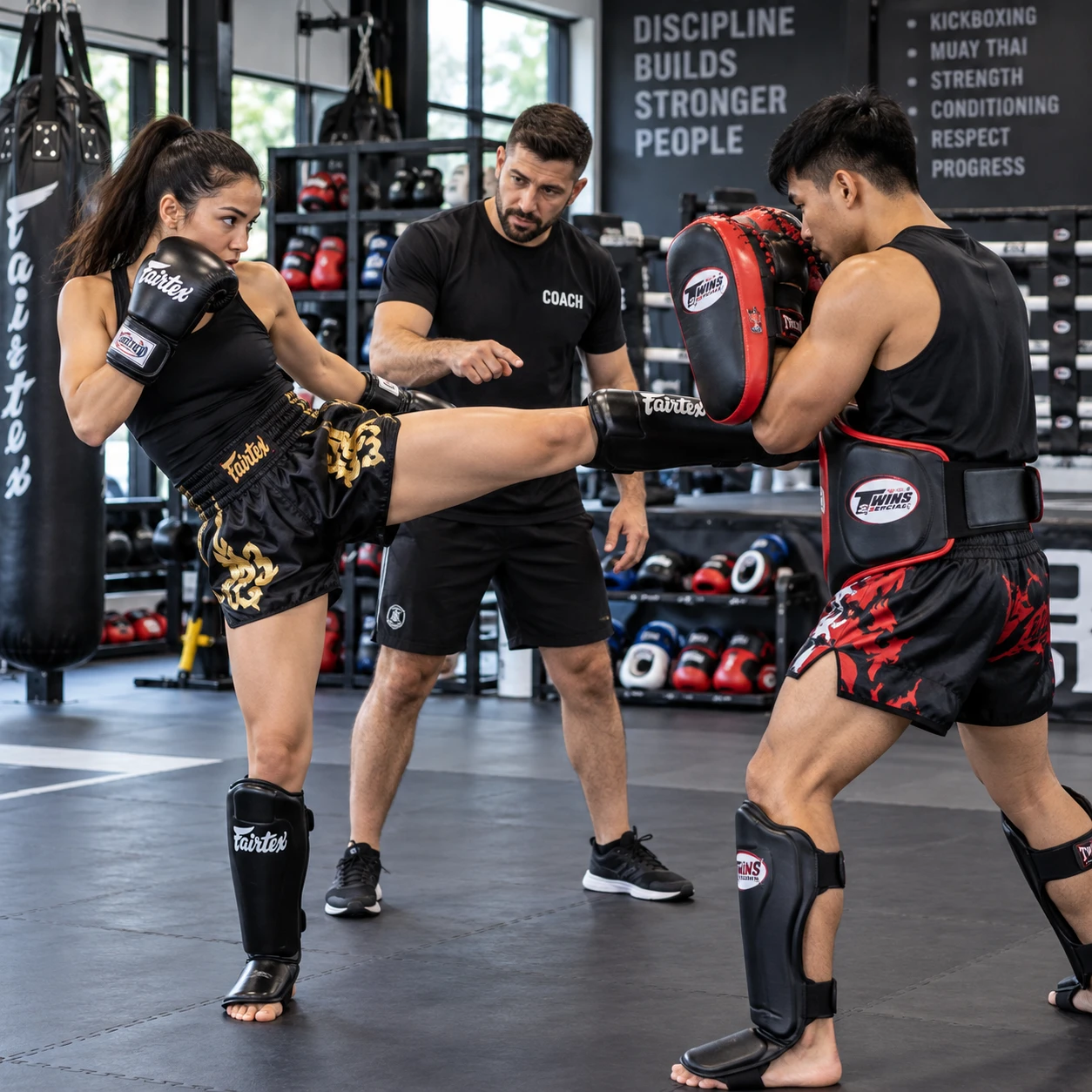
Kickboxing combines punches, kicks, footwork, and repeated impact. Like any contact sport, it carries a risk of injury, but thoughtful training habits can help reduce that risk. Knowing which injuries are common, how they may feel, and when to stop can help you train with greater awareness.
Injury prevention is a shared effort: athletes need to build capacity gradually, coaches need to manage drills responsibly, and training partners need to respect agreed intensity. Protective equipment helps, but it cannot remove every risk.
Why injuries happen in kickboxing
Kickboxing injuries can result from impact, repeated movement, fatigue, or training conditions. A combination of these factors often matters more than any single punch or kick.
Striking a pad, bag, or training partner places force through the hands, wrists, shins, and feet. Repeated punches can irritate the wrist or knuckles, while kicking and pivoting load the ankle, knee, and hip. A poorly timed block or accidental collision may cause a bruise or contusion. Sprains affect ligaments around a joint; strains involve muscles or tendons. These injuries can occur during a single awkward movement or build up over time.
Fatigue changes movement. As a session goes on, a tired athlete may drop their guard, lose balance, or twist through a punch instead of aligning the wrist and forearm. Crowded training areas, slippery floors, damaged equipment, mismatched partners, and drills that progress too quickly can add risk.
Risk varies with the athlete, the drill, and the setting. Beginners may still be learning coordination, while experienced kickboxers can overestimate how much training their bodies can tolerate. Neither skill level makes injury impossible.
Common kickboxing injuries
Common kickboxing injuries include bruises, sprains and strains, hand and wrist problems, ankle and knee injuries, and head injuries. Their effects range from temporary soreness to symptoms that need prompt medical assessment.
- Bruises and contusions: These follow direct contact with a bag, pad, or person. Tenderness and discoloration may appear, but severe swelling, worsening pain, or limited movement deserve attention.
- Hand and wrist injuries: Knuckle pain, swelling, or wrist discomfort can follow repeated punching, poor alignment, or impact on a hard surface. Hand wraps and gloves support the hand, but do not make an unsafe punch harmless.
- Ankle and knee injuries: A missed pivot, awkward landing, or sudden change of direction can lead to a sprain or strain. Pain, swelling, instability, or difficulty bearing weight may signal more than ordinary post-training soreness.
- Muscle strains: The calves, thighs, hips, shoulders, and back may be strained by forceful kicks, fast combinations, or a sudden increase in training volume.
- Head injuries and concussion: A blow to the head can cause concussion. Possible signs include headache, dizziness, confusion, nausea, blurred vision, or unusual sensitivity to light or noise. Symptoms can develop after training, so take any suspected head injury seriously.
Symptoms alone cannot confirm what injury has occurred. When pain is sharp, worsening, or affecting normal movement, avoid trying to diagnose it yourself. A qualified health professional can assess the problem and advise on next steps.
Prevention starts with preparation
Preparation helps your body handle kickboxing demands by raising activity gradually, building strength and control, and allowing time to recover. A warm-up and sensible progression can reduce avoidable strain, though neither guarantees you will avoid injury.
Begin with a warm-up suited to the session: light movement, joint mobility, and progressively more specific footwork or technique drills. Move from easy practice to faster or more forceful work rather than starting with all-out combinations. A cool-down with gentle movement can help you transition out of training, but it is not a substitute for rest or medical care.
Conditioning should support the movements you perform in class. Work on balance, coordination, and strength alongside kickboxing drills, and increase training time or intensity in manageable steps. Avoid adding several demands at once, such as extra sparring, harder bag rounds, and more sessions in the same week. If a change leaves you persistently fatigued or sore, scale back and discuss your workload with your coach.
Recovery is part of training. Sleep, rest days, food, and hydration all influence how ready you feel for the next session. Normal muscle tiredness may ease with recovery; pain that grows, alters your movement, or returns every time you train deserves a closer look.
Use sound technique and appropriate protective gear
Good technique and suitable protective equipment can reduce some avoidable risks in kickboxing. Qualified coaching, controlled practice, and gear that fits correctly matter more than simply wearing the most equipment.
A coach can correct details that are hard to spot yourself, such as a bent wrist at impact, an unstable stance, or a foot that fails to pivot during a kick. Ask for feedback before increasing power or speed. Controlled drills let you practice timing and distance without turning every round into a test of toughness. In partner work, agree on intensity and stop if either person cannot maintain control.
Common protective equipment includes:
- Hand wraps and boxing gloves to support and cushion the hands during striking.
- Mouthguards for contact drills where facial impact is possible.
- Shin guards for certain partner drills, based on the coach’s guidance and gym practice.
- Groin protection where appropriate for the participant and training format.
- Headgear where the gym or activity calls for it; it does not prevent concussion.
Check that gloves, wraps, and guards fit securely and are in good condition. Follow your association’s and gym’s requirements, since suitable equipment depends on the type of training. Gear reduces some impact or abrasion; it does not make uncontrolled sparring safe or prevent every injury.
Respond to pain and suspected injury
Stop training when pain changes your movement, becomes sharp or severe, or follows a significant impact. Seek medical advice for concerning symptoms rather than trying to work through them.
Tell your coach when something hurts, and do not continue a drill that aggravates it. A brief pause may be enough for minor discomfort to settle, but persistent or worsening pain, substantial swelling, joint instability, numbness, or difficulty using a limb calls for professional assessment. Do not return to sparring simply because you can tolerate the pain.
For a suspected concussion, stop activity immediately and do not return to training that day. Confusion, repeated vomiting, worsening headache, seizure, unusual drowsiness, or difficulty waking after a head impact requires urgent medical attention. The U.S. Centers for Disease Control and Prevention provides guidance on concussion signs and symptoms; follow local emergency guidance if symptoms are severe.
Only a qualified health professional can assess an injury and guide an individual return to sport. A coach can help adjust training, but should not replace medical evaluation.
Build safer training habits over time
Safer kickboxing training depends on honest communication, consistent recovery, and a gradual return after injury. Make these habits part of ordinary training rather than waiting until something goes wrong.
Tell your coach about a previous injury, current discomfort, or a change in how your body feels. Ask to modify a drill when needed; skipping one round is usually a better choice than turning a manageable issue into a longer interruption. Keep track of changes in training load, especially when returning from time off or preparing for more intense work.
After an injury, follow the advice of your health professional and agree with your coach on suitable modifications. Resume progressively rather than jumping straight back into hard sparring or maximum-power bag work. If symptoms return or worsen, stop and seek further guidance.
A useful check before each session: Can you move normally? Is your equipment secure? Do you understand the drill and its intensity? If the answer to any of these is no, address it before the round begins. That small pause can help you train with better control, while still recognizing that no checklist can remove every risk.
Kickboxing injury prevention FAQ
Kickboxing injury prevention starts with controlled training, appropriate gear, and attention to symptoms. These quick answers address common questions from beginners and experienced participants alike.
What injuries are common in kickboxing?
Bruises and contusions, sprains and strains, hand and wrist injuries, ankle and knee injuries, and head injuries including concussion can occur. The specific risk depends on the drill, intensity, technique, and training environment.
How can beginners reduce their risk of injury?
Learn technique from a qualified coach, start at a manageable pace, use suitable protective gear, and increase intensity gradually. Tell the coach when you are new to a drill or feel pain, and avoid sparring beyond your ability to stay controlled.
What protective gear is commonly used?
Hand wraps, gloves, mouthguards, and shin guards are commonly used, with other equipment depending on the session and gym requirements. Proper fit and condition matter, and no item prevents every injury.
When should I stop training and seek medical advice?
Stop for sharp or worsening pain, significant swelling, instability, numbness, difficulty using a limb, or any suspected head injury. Severe or concerning symptoms after a head impact need urgent medical attention.