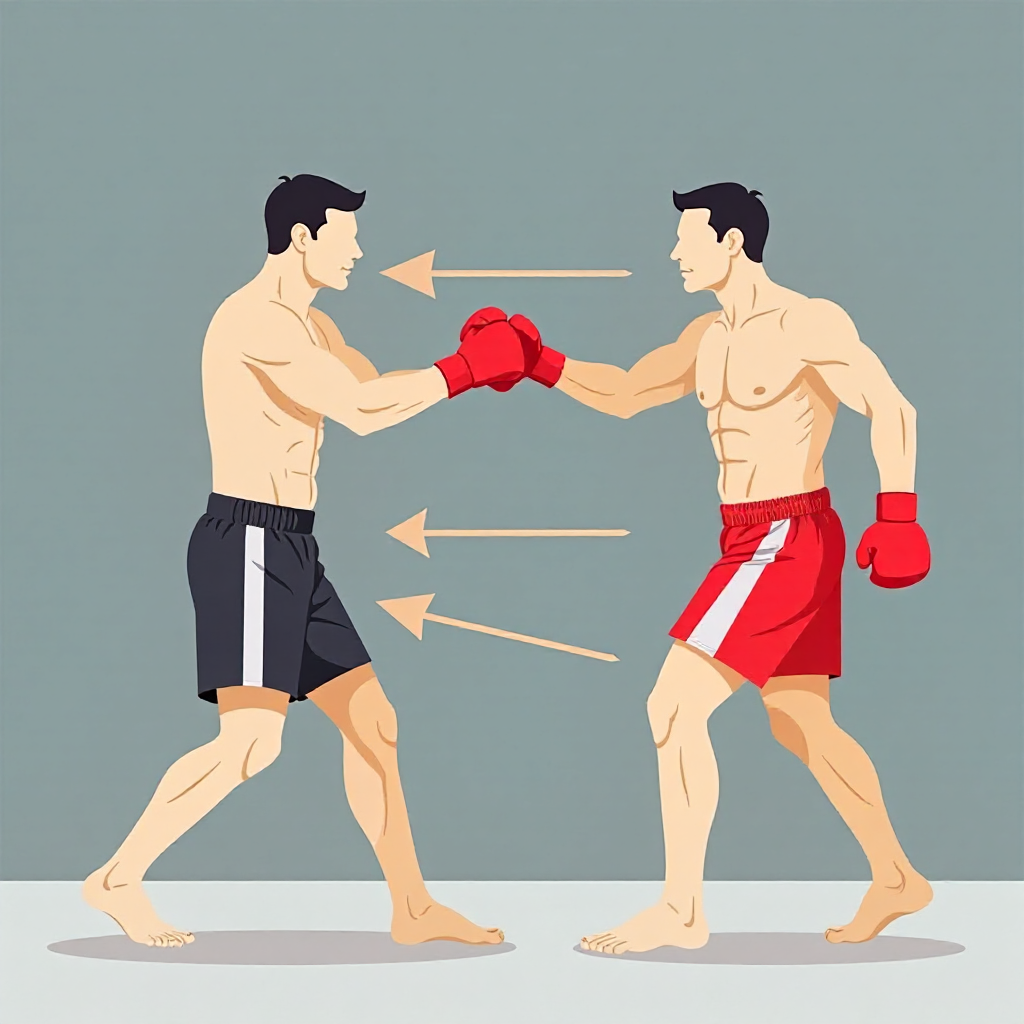
The Evolution of Martial Arts: From Ancient Traditions to Modern Sports
Few human practices have traveled as far — across time, culture, and purpose — as martial arts. What began as survival skills and battlefield training now fills arenas, inspires films, and shapes the lives of hundreds of millions of practitioners worldwide. Understanding that journey isn't just a history lesson. It reveals why disciplines like kickboxing, Muay Thai, and MMA feel both ancient and urgently modern at the same time.
Ancient Origins of Martial Arts
The earliest martial practices emerged independently across multiple civilizations, driven by the most basic human needs: warfare, survival, and ritual. Evidence of organized combat training appears in ancient Egypt around 3400 BCE, in Chinese records dating to the Yellow Emperor era, and in the Greek tradition of pankration — a brutal blend of wrestling and striking that featured in the ancient Olympic Games as early as 648 BCE.
In sub-Saharan Africa, wrestling traditions like Nuba fighting in Sudan carried both athletic and ceremonial weight. Across Asia, early forms of what would eventually become kung fu were documented in Han Dynasty texts as physical conditioning for soldiers. These weren't sports in any modern sense. They were technologies of survival, passed down within communities that depended on them.
What's striking about these origins is their diversity. No single culture invented martial arts. Every society that faced conflict developed systematic ways to fight — and then found reasons to preserve and teach those ways even after the immediate threat passed.
The Role of Philosophy and Tradition
Martial arts became structured systems — not just fighting techniques — when spiritual and philosophical frameworks were woven into their practice. This transformation is what separates a martial art from mere brawling.
In Japan, Bushido (the samurai code) embedded concepts of honor, loyalty, and acceptance of death into sword training. Zen Buddhism shaped the mental discipline of practitioners across East Asia, emphasizing presence, breath control, and the emptying of ego before conflict. In China, Confucian values of hierarchy and respect influenced how knowledge was transmitted from master to student — a relationship structure that survives in dojos and gyms to this day.
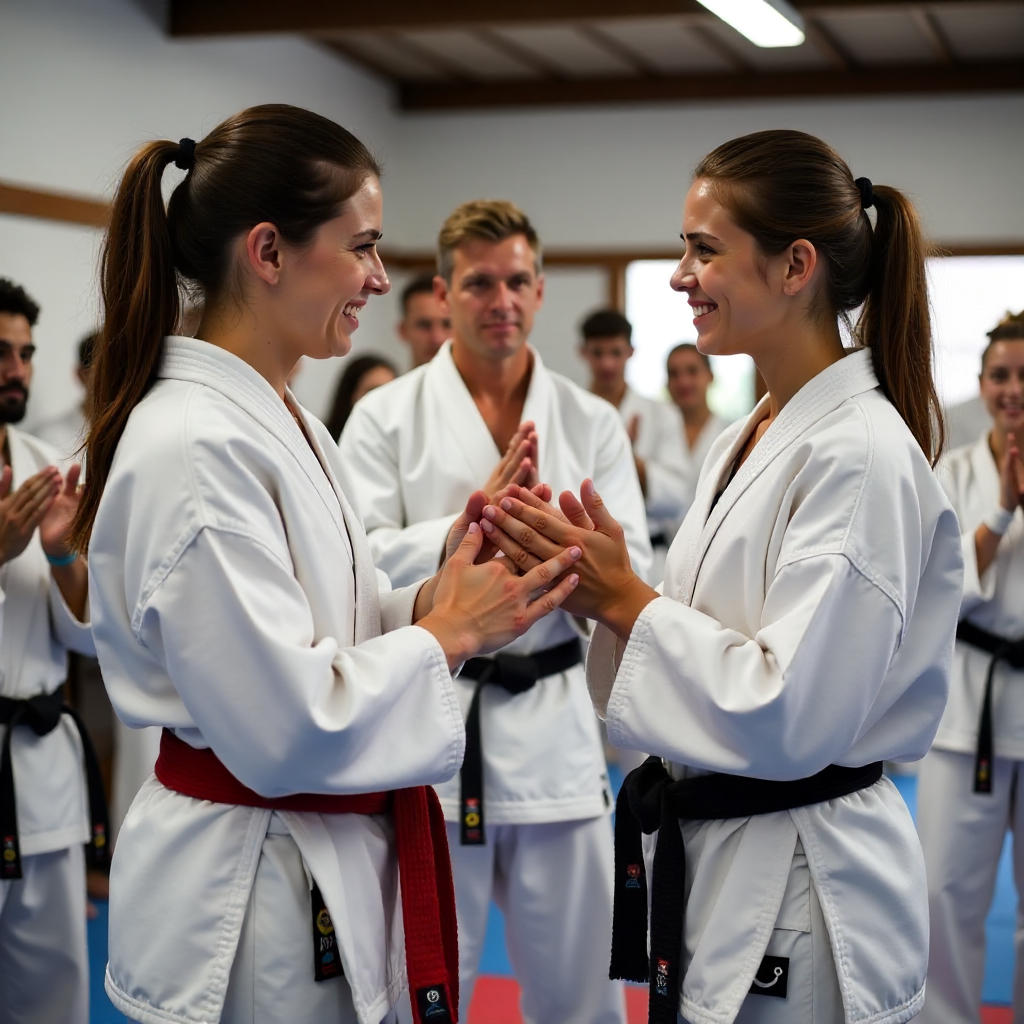
This philosophical layer gave martial arts their staying power. Techniques can become obsolete when weapons change, but a framework for living — built around discipline, respect, and self-mastery — remains relevant across centuries. It's why a teenager learning judo in Ohio today still bows before stepping onto the mat.
Codification and the Birth of Martial Arts Schools
Between the medieval period and the early modern era, informal fighting knowledge began crystallizing into teachable, transmissible systems. This codification process — turning lived experience into organized curriculum — was a pivotal shift in martial arts history.
In Japan, distinct ryu (schools) of swordsmanship emerged, each with documented kata (forms), lineage records, and formal certification systems. In China, Shaolin monastery became a legendary center for kung fu development, blending Buddhist practice with physical training in ways that influenced virtually every subsequent Chinese martial art. In Korea, early forms of what would become taekwondo were recorded in military manuals during the Joseon Dynasty.
This era produced something crucial: institutional memory. Techniques no longer lived only in the bodies of individual masters. They existed in written texts, oral traditions, and formal student-teacher lineages that could survive the death of any single practitioner. Schools created identity, competition between styles, and the first inklings of a martial arts "community" beyond the battlefield.
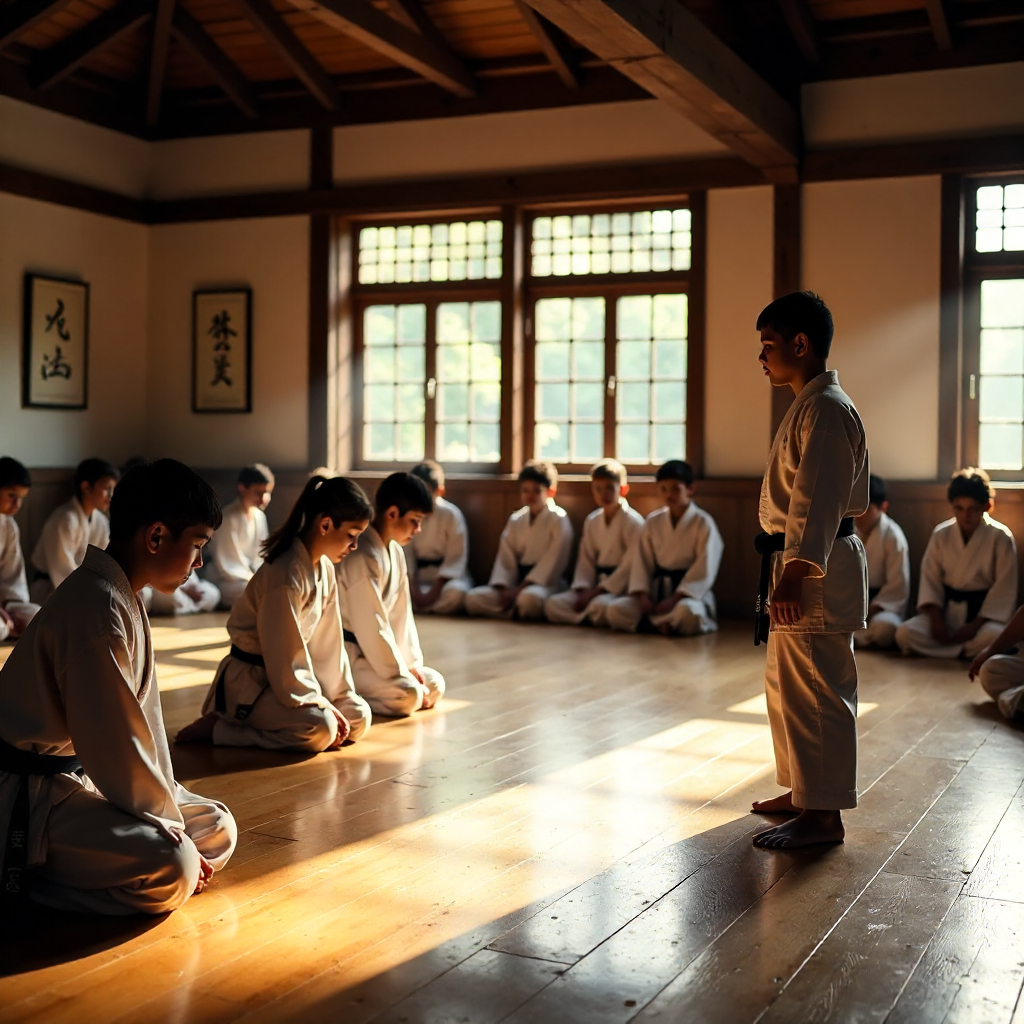
The Global Spread of Martial Arts in the 20th Century
The 20th century transformed martial arts from regional traditions into a global phenomenon, driven by three intersecting forces: immigration, cinema, and international competition.
Japanese immigration to Brazil in the early 1900s brought judo to South America, where the Gracie family adapted ground-fighting principles into what would become Brazilian Jiu-Jitsu (BJJ) — one of the most influential combat sports of the modern era. Post-World War II American soldiers stationed in Japan and Korea returned home with karate and taekwondo knowledge, seeding dojos across the United States.
Then came cinema. Bruce Lee's films in the early 1970s introduced kung fu to Western mass audiences with an impact that's difficult to overstate. Suddenly, millions of people who had never encountered martial arts wanted to train. The demand created supply: schools opened, styles competed for students, and martial arts entered mainstream Western culture for good.
International competition formalized this spread. Judo became an Olympic sport in 1964 at the Tokyo Games. Taekwondo followed in 2000. These inclusions gave martial arts institutional legitimacy and funding structures that accelerated global growth considerably.
From Tradition to Competition: The Rise of Combat Sports
The shift from traditional martial arts to regulated combat sports required one fundamental change: standardized rules that made competition safe, fair, and watchable. That shift reshaped entire disciplines.
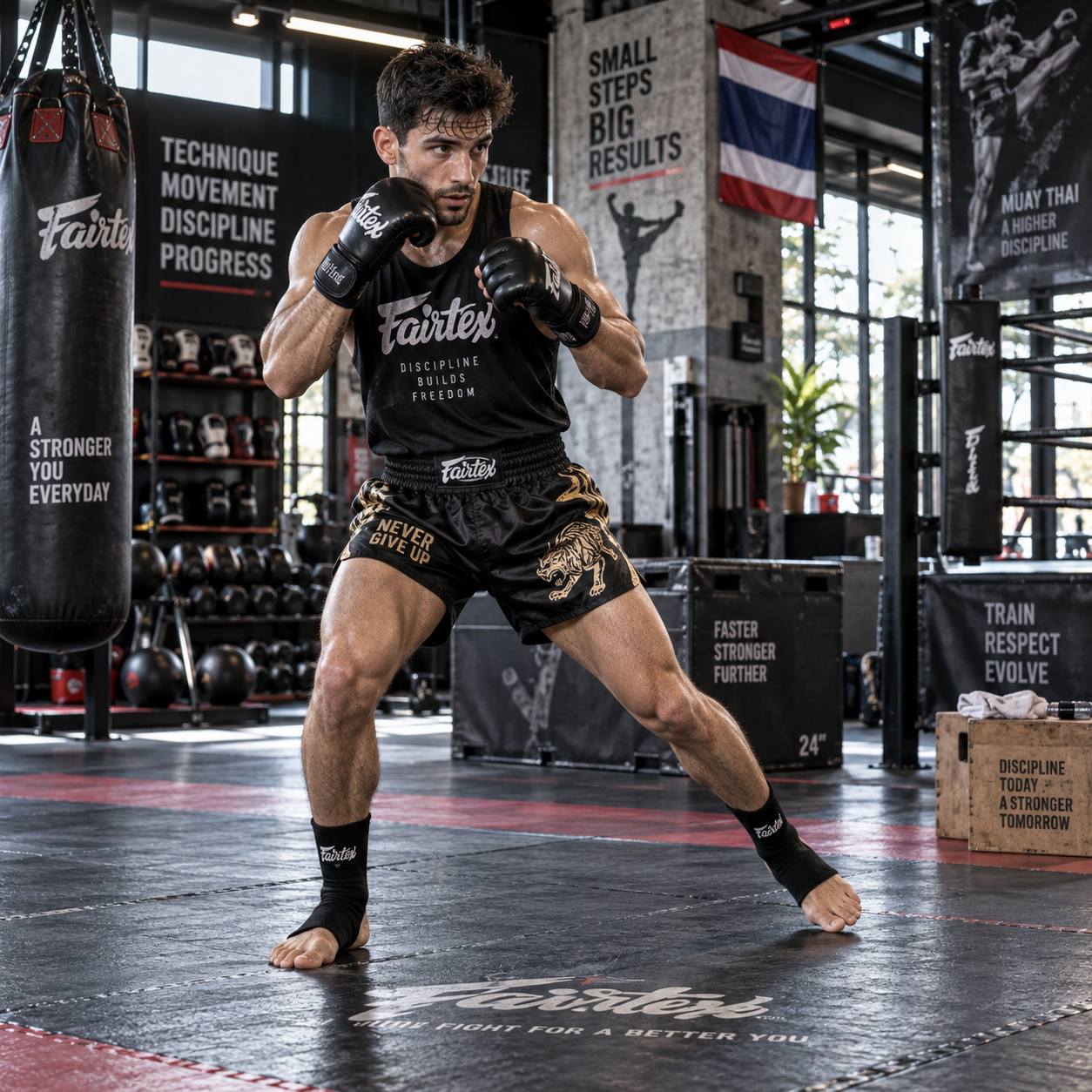
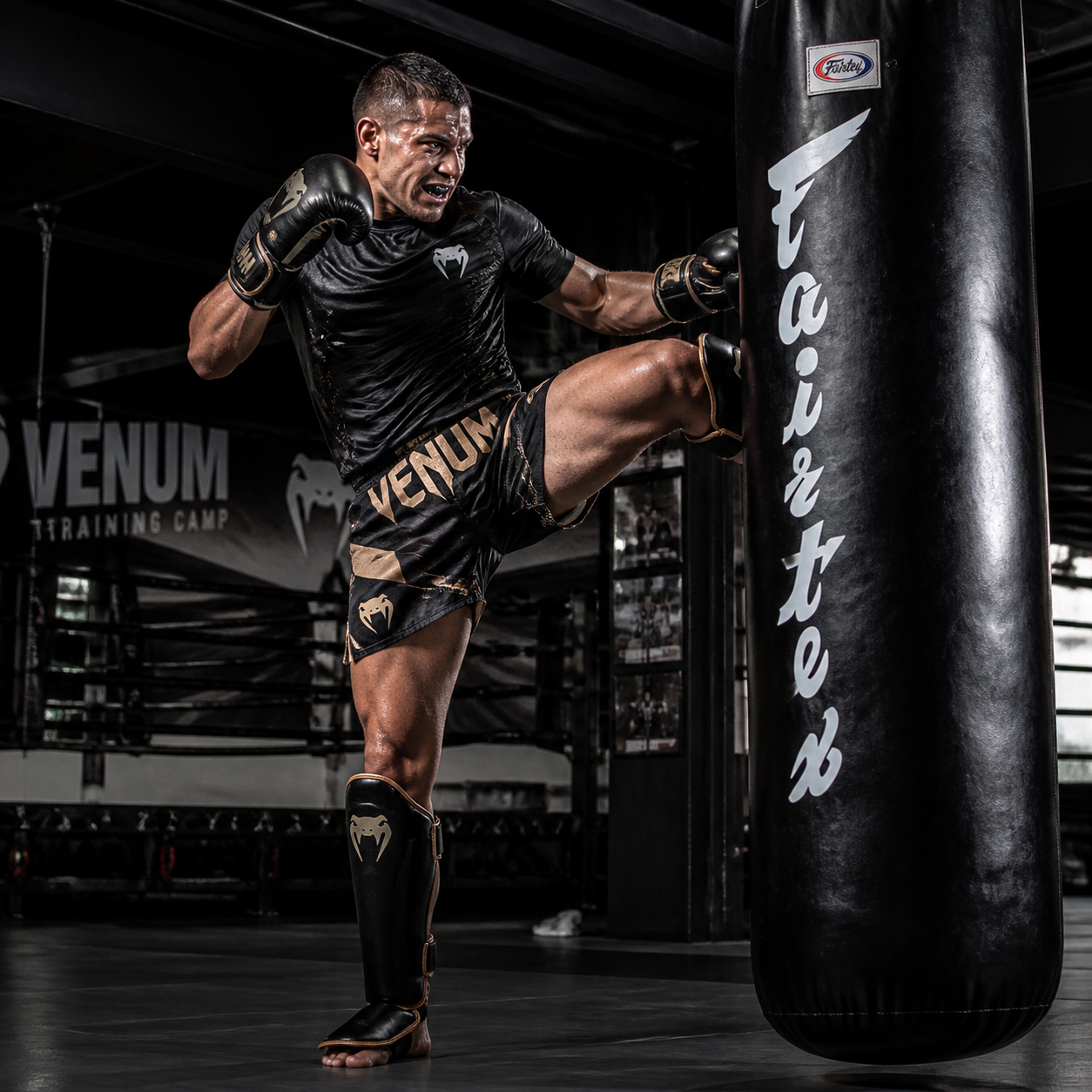
Muay Thai, Thailand's national combat sport, had existed for centuries as a battlefield art before being formalized with ring rules, weight classes, and timed rounds in the 20th century. Today it's one of the most technically sophisticated striking systems in the world, with its use of elbows, knees, and the clinch distinguishing it sharply from Western boxing.
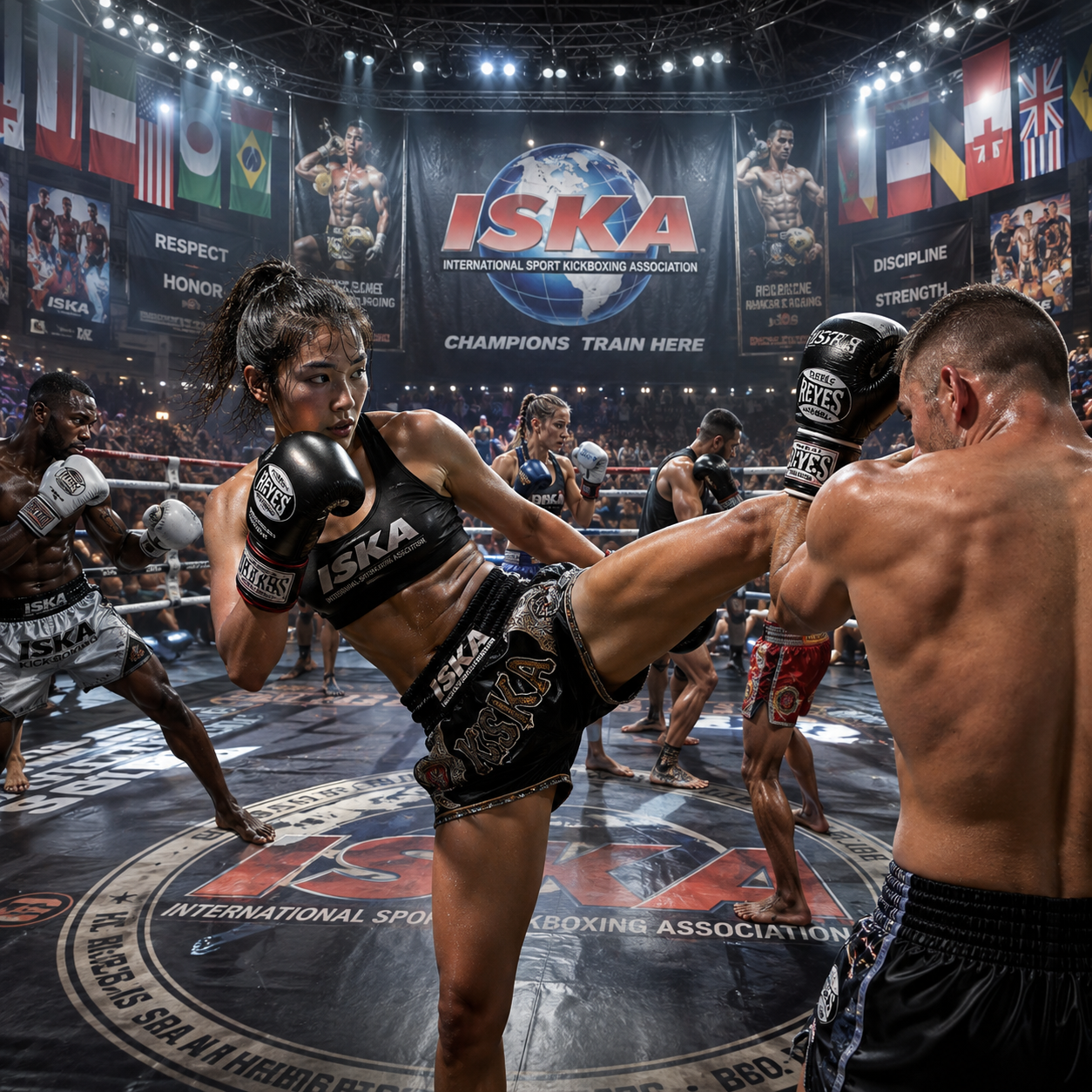
Kickboxing emerged in the 1950s and 60s as practitioners — particularly in Japan and the United States — began blending karate's striking techniques with Western boxing's footwork and ring format. The result was a sport that felt familiar to boxing audiences but offered a broader striking vocabulary. American full-contact karate, Japanese K-1 kickboxing, and Dutch-style kickboxing each developed distinct technical identities under the same broad umbrella.
The trade-off in this transition was real: codifying rules meant excluding certain techniques. Throws, joint locks, and low kicks were permitted in some formats and banned in others. Every rule set creates a different game — and a different kind of fighter.
The MMA Revolution and Modern Martial Arts
Mixed Martial Arts didn't just create a new sport — it fundamentally challenged every assumption about how fighters should train. The UFC's debut in 1993 was designed partly as a tournament to answer the question: which martial art is most effective? The answer turned out to be more complicated than anyone expected.
Early MMA exposed critical gaps. Strikers with no ground game were submitted in seconds. Grapplers who couldn't defend punches were stopped standing. The lesson was clear: specialization had limits. Effective fighters needed functional competence across striking, wrestling, and submission grappling — at minimum.
Brazilian Jiu-Jitsu became the initial dominant force, with Royce Gracie's performances demonstrating that ground control could neutralize larger, stronger opponents. Over the following decade, wrestlers, Muay Thai strikers, and judokas all found their place in the evolving MMA ecosystem. Modern training methodology followed: fighters now cross-train systematically, with coaches specializing in specific phases of combat working alongside each other in the same gym.
This synthesis reshaped traditional martial arts communities too. Many traditional schools began incorporating sparring, resistance training, and cross-disciplinary work that would have been unthinkable in earlier eras. The influence ran both directions.
What the Future Holds for Martial Arts
Martial arts in 2026 sit at an interesting crossroads. Sport science integration has transformed elite training — heart rate variability monitoring, periodization models borrowed from team sports, and biomechanical analysis are now standard tools at high-level MMA and kickboxing camps. The gap between elite and recreational training has never been wider, or more visible.
At the grassroots level, martial arts participation continues growing globally, driven partly by fitness culture and partly by genuine interest in self-development. BJJ academies have proliferated in cities across Europe, North America, and Southeast Asia at a pace that mirrors the karate boom of the 1970s.
The tension between tradition and modernization remains unresolved — and probably should stay that way. Traditional martial arts carry cultural and philosophical value that pure sport competition doesn't replicate. Combat sports offer measurable skill development and competitive frameworks that traditional practice sometimes lacks. Both serve real human needs. The healthiest martial arts communities tend to be those that hold both in productive tension rather than choosing one at the expense of the other.
Frequently Asked Questions
What is the oldest known martial art in history?
Most historians point to ancient wrestling traditions as the oldest documented martial practices, with Egyptian tomb carvings depicting wrestling techniques dating to around 3400 BCE. Indian Kalaripayattu, often cited as one of the oldest codified martial arts, has roots going back at least 3,000 years. The history of martial arts spans virtually every human civilization, making a single "oldest" designation genuinely contested.
How did kickboxing develop from traditional striking arts?
Kickboxing developed in the 1950s-60s when Japanese karate practitioners began competing under modified boxing rules that permitted kicks. Osamu Noguchi, a Japanese boxing promoter, is widely credited with formalizing the sport in Japan. Separately, American full-contact karate emerged in the 1970s through figures like Joe Lewis and Chuck Norris, who wanted contact competition without the point-fighting limitations of tournament karate.
What is the difference between traditional martial arts and combat sports?
Traditional martial arts emphasize cultural transmission, philosophical development, and codified forms (kata), often without regular competitive sparring. Combat sports prioritize competitive performance within defined rule sets, with success measured by winning rather than technical purity. The distinction blurs considerably in practice — many traditional arts have competitive branches, and many combat sports retain philosophical elements.
How did MMA change the way fighters train?
MMA forced fighters to become generalists. Before MMA's rise, most fighters trained exclusively in one discipline. The UFC era demonstrated that single-discipline specialists had predictable vulnerabilities. Modern fighters cross-train in striking (boxing, Muay Thai, kickboxing), wrestling (freestyle, Greco-Roman), and submission grappling (BJJ, judo), typically with specialized coaches for each phase. Training camps now resemble multi-sport athletic programs more than traditional martial arts schools.
Are traditional martial arts still relevant in modern competition?
Yes, but selectively. Judo throws and BJJ submissions remain highly effective in MMA competition. Muay Thai's clinch work and knee strikes are standard tools for elite strikers. However, many traditional arts — particularly those emphasizing forms over live sparring — produce practitioners who struggle when tested competitively. Relevance depends less on the art's origin and more on whether its practitioners regularly test techniques against resisting opponents.