Top 10 Kickboxing Techniques Every Beginner Should Master
Why Learning the Fundamentals First Sets You Up for Success
Mastering kickboxing fundamentals before chasing flashy moves is the single fastest path to real improvement. Every advanced technique — spinning heel kicks, flying knees, complex combinations — is built entirely on the basics you'll find in this guide.
Think of it this way: a house with a shaky foundation doesn't survive the first storm. The same applies to your kickboxing game. Beginners who skip straight to advanced drills tend to develop bad habits that are genuinely hard to unlearn later. Sloppy form also increases injury risk significantly, especially to the wrists, ankles, and knees.
The ten techniques below follow a deliberate progression. Stance comes first because everything else depends on it. Punches come before kicks because they're easier to drill with correct form early on. Defense follows offense because you can't just attack — you need to survive. And combinations tie everything together into something that actually works in sparring or pad work.
Work through this list in order. Give each technique real drilling time before moving on. That patience will pay off faster than you expect.
Getting Your Stance and Guard Right Before Anything Else
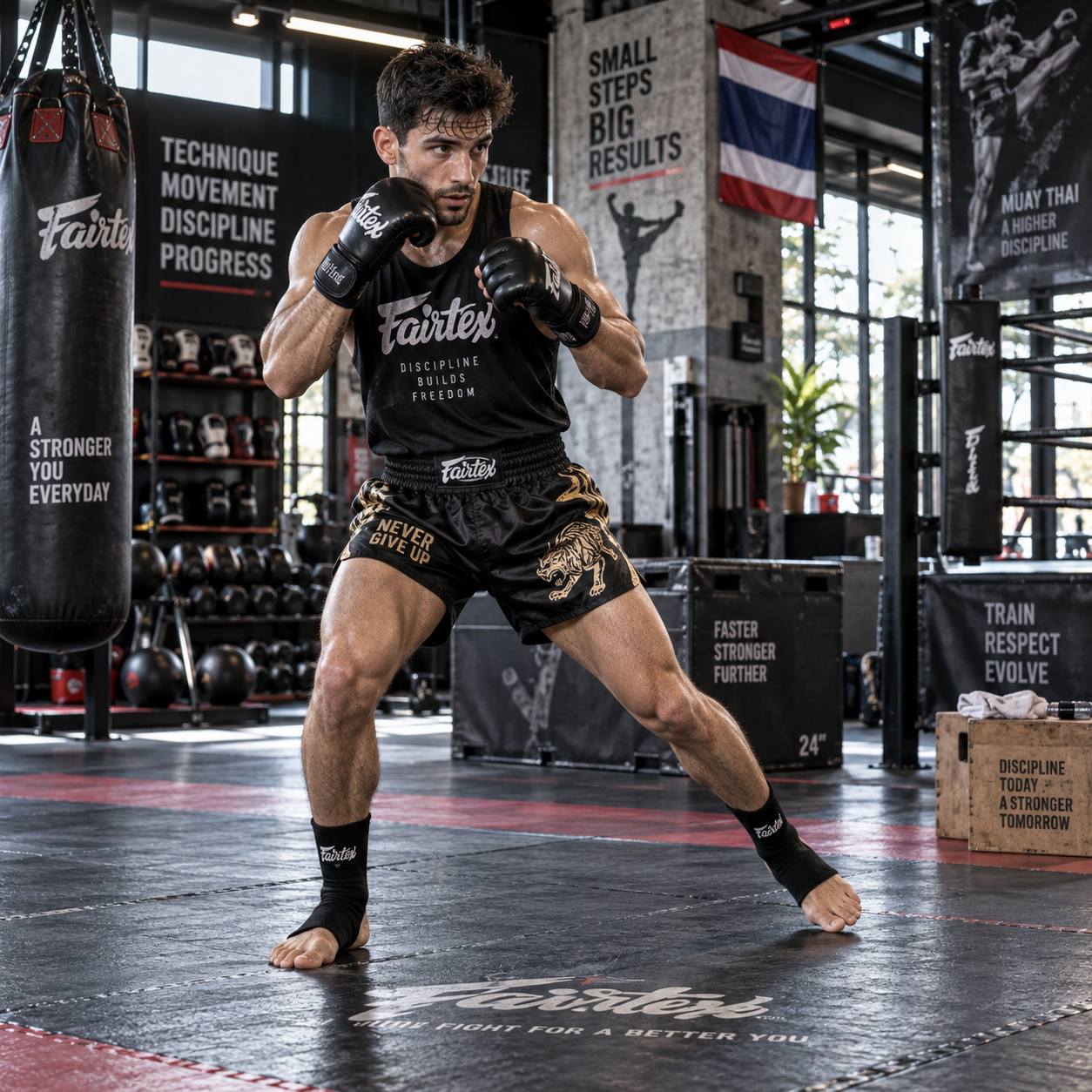
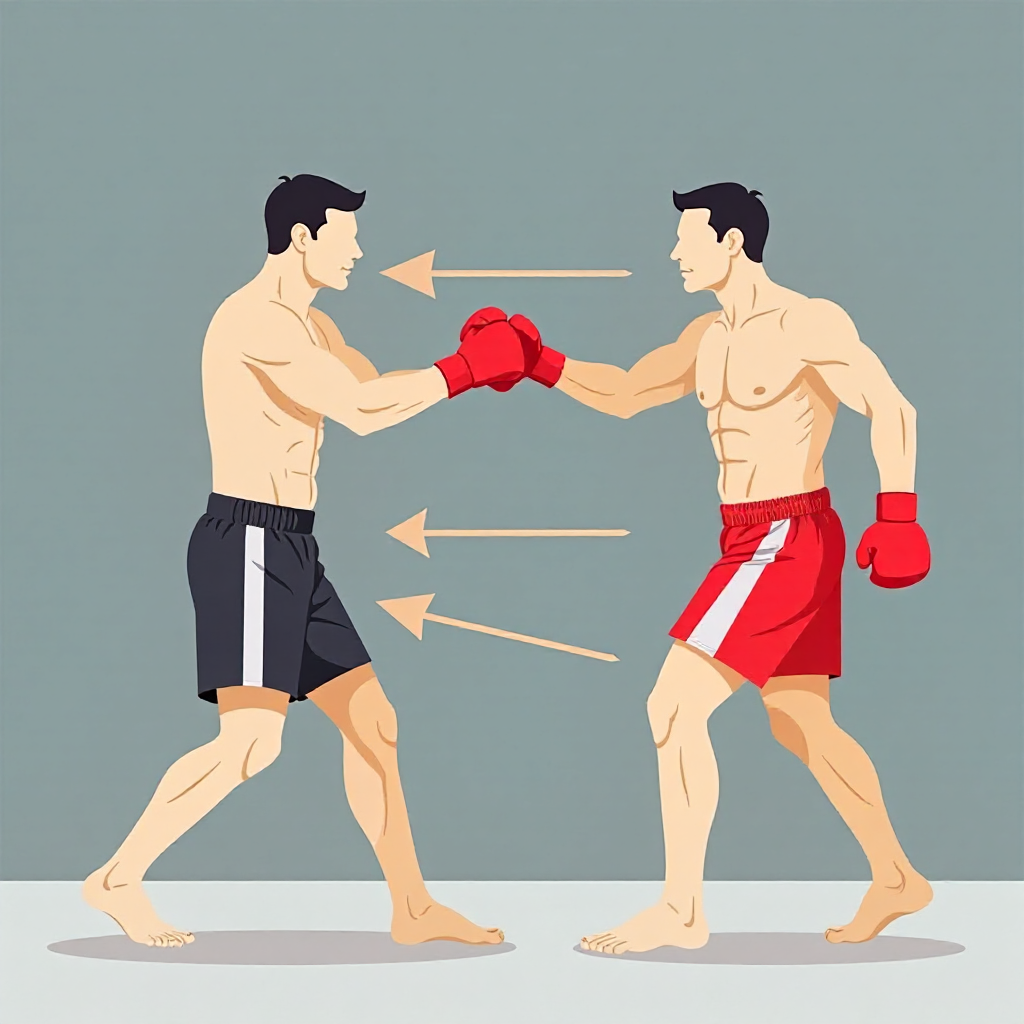
The fighting stance is the foundation every kickboxing technique on this list depends on — get it wrong and every punch, kick, and defensive move suffers. Before you throw a single strike, you need a reliable base.
For most beginners, an orthodox stance works like this: stand with your left foot forward, feet roughly shoulder-width apart, with your lead foot pointing toward your opponent and your rear foot angled at about 45 degrees. Your weight sits slightly on the balls of your feet — never flat-footed — so you can move quickly in any direction.
Your guard keeps your hands protecting your face. Raise both fists to chin height, elbows tucked close to your ribs. Your lead hand (left, for orthodox) sits slightly extended; your rear hand stays closer to your cheek. This position protects against punches while keeping your weapons ready to fire.
Two common beginner mistakes: standing too square (exposing your centerline) and dropping the rear hand when throwing punches. Both habits are easy to fix early and painful to fix later. Check your stance in a mirror or on video before every session until it becomes automatic.
The Essential Punching Techniques (Techniques 1–4)
The four core punches — jab, cross, hook, and uppercut — form the backbone of any kickboxing combination. Learn them in this order; each one builds on the last.
Technique 1: The Jab
The jab is a straight punch thrown with your lead hand. Extend your arm directly from your guard, rotating your fist so the palm faces down at full extension, then snap it back immediately. The jab isn't your power weapon — it's your range finder, your distraction, and the setup punch that opens everything else.
Drill it on the heavy bag until the motion feels effortless. A crisp jab thrown 50 times a round does more for a beginner than 10 sloppy power shots.
Technique 2: The Cross
The cross is your primary power punch, thrown with the rear hand in a straight line toward the target. The key is hip rotation: as you extend your rear arm, your rear hip drives forward, transferring your body weight into the punch. Your rear heel pivots off the floor to generate that rotation.
Jab-cross (the 1-2) is the most fundamental combination in kickboxing. Once your cross lands with consistent power and you're returning your hand to guard automatically, you have a real weapon.
Technique 3: The Hook
The hook is a short, curved punch that travels horizontally to target the side of the head or the body. Bend your lead arm at roughly 90 degrees, keep your elbow parallel to the floor, and pivot your lead foot as your hips and shoulder rotate into the strike. The power comes from rotation, not arm strength.
Body hooks are underused by beginners and surprisingly effective — a left hook to the liver is one of the most fight-stopping strikes in kickboxing.
Technique 4: The Uppercut
The uppercut travels vertically upward, targeting the chin. Drop your punching shoulder slightly, rotate your hips, and drive your fist upward in a scooping arc. It's a close-range punch — trying to throw it from distance is a common beginner error that leaves you exposed.
Use the uppercut to finish combinations after a jab-cross has moved your opponent's guard outward.

The Must-Know Kicks for Beginners (Techniques 5–7)
Kicks separate kickboxing from boxing and dramatically expand your range and damage output. These three are the ones every beginner needs to develop first.
Technique 5: The Roundhouse Kick
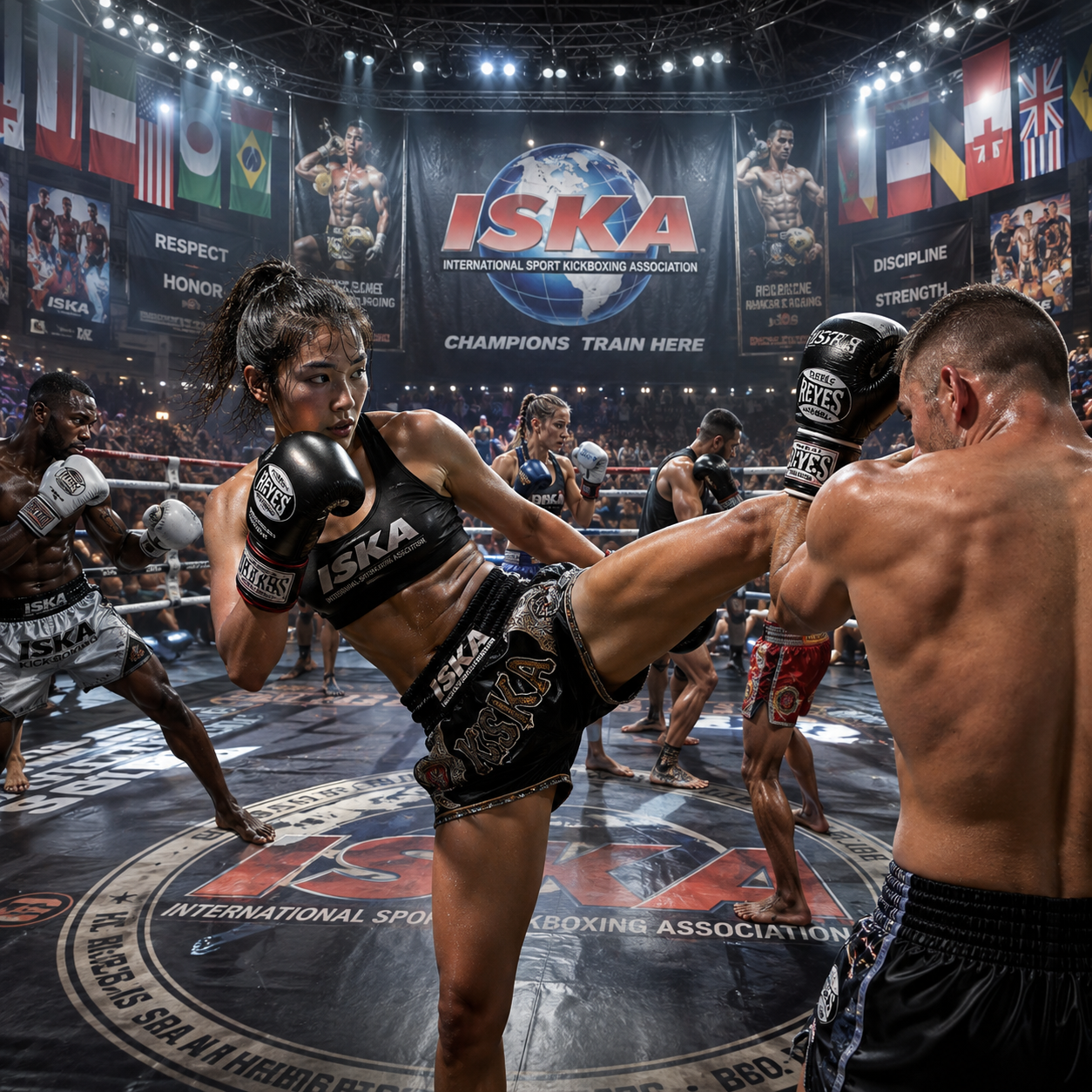
The roundhouse kick is the most common and versatile kick in kickboxing — it's the kick you'll throw most often in training, pad work, and sparring. From your stance, pivot on your lead foot, chamber your rear knee upward, then rotate your hips and extend your leg in a sweeping arc, striking with your shin (not your foot).
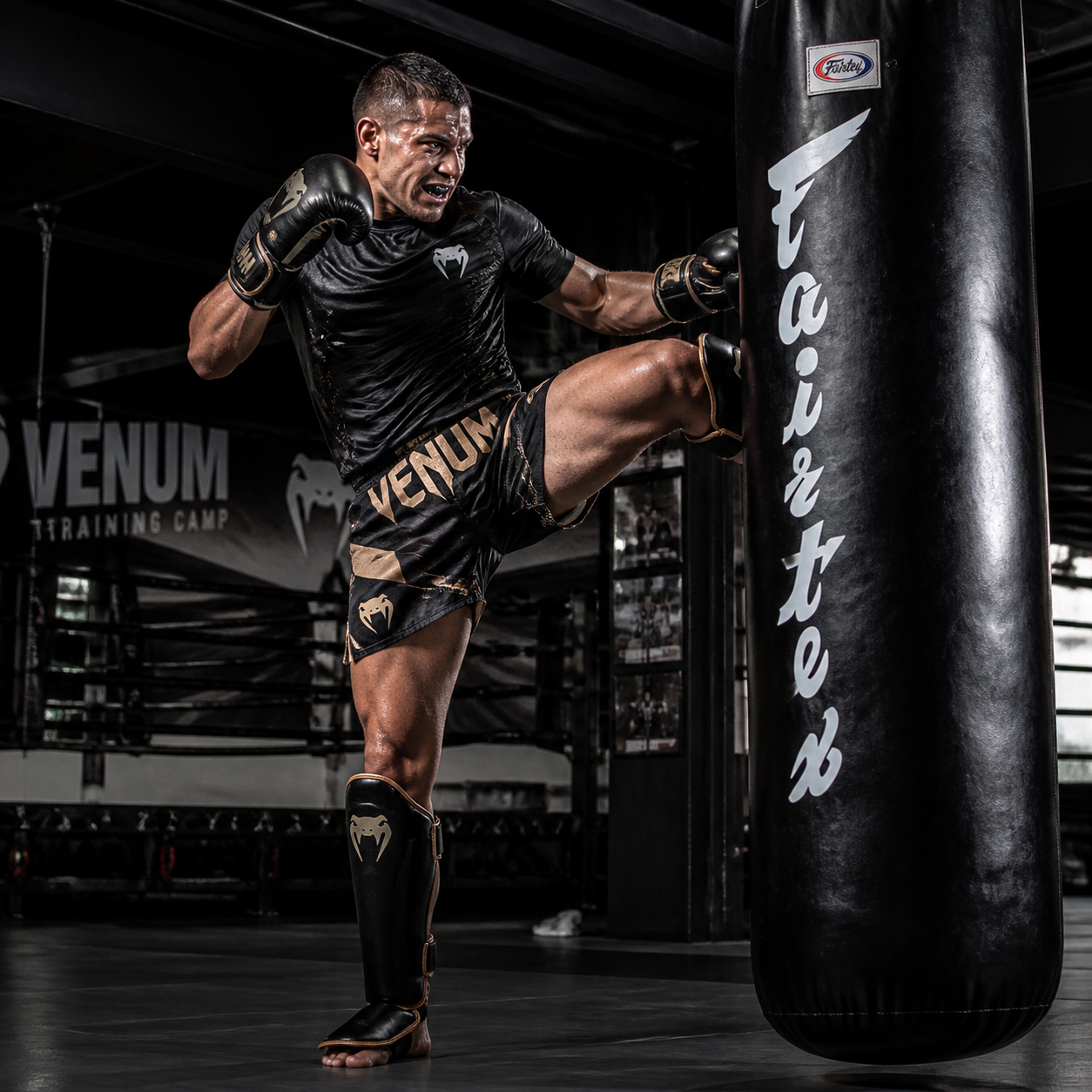
The shin is a far more durable striking surface than the foot, and conditioning it on the heavy bag over time makes it a formidable weapon. Aim for the thigh, ribs, or head depending on your level and the context. Beginners should focus on the thigh and midsection first — head kicks require serious hip flexibility and balance.
The most common mistake: kicking with the foot instead of the shin, which risks toe and ankle injuries. The second most common: not returning to your stance after the kick, leaving you off-balance and exposed.
Technique 6: The Front Kick (Teep)
The front kick, often called the teep in Muay Thai-influenced kickboxing, is a push kick designed to control range and disrupt your opponent's rhythm. Chamber your knee toward your chest, then extend your leg forward, striking with the ball of your foot or heel into your opponent's midsection.
The teep isn't primarily a damage technique — it's a range management tool. Use it to reset distance, interrupt an opponent's forward pressure, or create space before throwing combinations. Beginners who learn the teep early develop much better spatial awareness in sparring.
Technique 7: The Side Kick
The side kick delivers power through a linear thrust rather than a rotational arc. Turn your body sideways, chamber your knee, then drive your heel outward into the target. Hip extension generates the power here, not the leg alone.
It takes more drilling to develop than the roundhouse, but a well-placed side kick to the midsection is hard to ignore. Practice it slowly against a bag first, focusing on hip alignment before adding speed.
Defensive and Movement Techniques That Protect You (Techniques 8–9)
Defense is the part of kickboxing beginners most often neglect — and it's the part that keeps you safe and in the fight. These two skills should be drilled alongside your offensive techniques from day one.
Technique 8: Footwork
Footwork is the movement system that makes every other technique work. Good footwork means you're always in position to attack, always moving to make yourself harder to hit, and never crossing your feet (which kills your balance). The core patterns for beginners are: step-and-slide forward, step-and-slide backward, and lateral movement left and right.
The rule is simple: always move the foot closest to the direction you're going first, then bring the other foot to restore your stance width. Never drag your feet — stay light and bouncy on the balls of your feet. Drill footwork patterns in shadowboxing for five minutes before every session and you'll notice improvement within weeks.
Technique 9: Bob and Weave
The bob and weave is your primary head movement skill — a defensive technique where you bend your knees and dip your head in a U-shaped motion to slip under or around incoming punches. The motion comes from your legs, not your back. Bending at the waist instead of the knees is the most common form error, and it leaves your spine vulnerable.
Bob and weave works best against hooks and wide punches. Pair it with a counter punch — slip a hook, come up on the outside, fire a cross — and you have one of the most satisfying exchanges in kickboxing. Start slow with a partner or a hanging rope before trying it live.
Putting It Together — Your First Combinations (Technique 10)
A combination is a sequence of linked strikes thrown in rapid succession — and learning to chain techniques fluidly is what transforms a collection of individual moves into actual kickboxing. This is technique 10 not because it's least important, but because it requires the previous nine to make sense.
Start with the simplest combinations and drill them until they feel automatic:
- Jab – Cross (1-2): The foundational combo. Sets the range, then delivers power.
- Jab – Cross – Hook (1-2-3): Add the lead hook after the cross while your opponent's guard is disrupted.
- Jab – Cross – Roundhouse kick: Use the punches to close distance and set up the kick.
- Teep – Jab – Cross: Push your opponent back with the front kick, then step in and punch.
The goal isn't speed at first — it's rhythm and flow. Each strike should set up the next one logically. Throw the combination on the heavy bag, on pads with a partner, and in shadowboxing. Once a combo feels natural at moderate speed, gradually increase intensity.
Avoid the beginner trap of memorizing dozens of combinations before mastering a few. Two or three combinations drilled to the point of muscle memory are worth more in sparring than twenty you kind of remember.
Tips for Practicing These Techniques Safely and Effectively
Knowing the techniques is step one. Training them consistently and safely is what actually builds skill. A few practical guidelines for beginners:
- Warm up properly every session. Five to ten minutes of light cardio, dynamic stretching, and joint rotations before you throw a single punch. Cold muscles and joints are where injuries happen.
- Start with shadowboxing. Shadowboxing — drilling techniques without a target — lets you focus entirely on form, footwork, and combinations without the distraction of impact. Do it in front of a mirror when possible.
- Use the heavy bag for power and timing. The bag gives you real feedback on your strikes. Start light, focus on form, and gradually build power as your technique improves.
- Work with a qualified coach. A good coach spots form errors you can't see yourself. Even a few sessions per month with an experienced instructor accelerates progress significantly compared to solo training alone.
- Spar only when ready — and do it controlled. Light technical sparring is valuable, but only after you have basic technique and defensive skills. Always use proper protective gear: gloves, mouthguard, headgear, and shin guards.
According to the general principles of athletic training, gradual progression and consistent recovery are as important as the training itself. Rest days matter. Sore muscles need time to adapt.
Frequently Asked Questions
How long does it take a beginner to learn basic kickboxing techniques?
Most beginners develop a functional grasp of the core techniques within 3 to 6 months of consistent training (2-3 sessions per week). You won't master them in that time — mastery takes years — but you'll be able to execute them with reasonable form and use them in light sparring. Progress depends heavily on the quality of instruction and how deliberately you practice.
Can I practice kickboxing techniques at home without equipment?
Yes, shadowboxing requires no equipment at all and is genuinely effective for drilling stance, footwork, punches, kicks, and combinations. A mirror helps you spot form errors. For kicks and power work, a heavy bag is worth the investment once you're committed — but it's not required to start building solid technique.
What is the most important kickboxing technique to learn first?
Your fighting stance and guard come first — everything else depends on them. After that, the jab is the most important individual strike because it's the foundation of almost every combination and teaches the basic mechanics of punching with correct form.
How do I improve my kickboxing technique faster?
Three things accelerate improvement more than anything else: working with a qualified coach who gives specific feedback, recording yourself on video to spot errors you can't feel, and drilling a small number of techniques repeatedly rather than jumping between too many at once. Consistency beats intensity — four moderate sessions per week beats one brutal session.
Is kickboxing safe for complete beginners with no martial arts experience?
Kickboxing is generally safe for beginners when taught properly. The risks are real — sprains, bruises, and overuse injuries are common when people push too hard too soon — but they're manageable with proper warm-up, correct technique, and gradual progression. Start with a beginner-friendly gym, communicate openly with your instructor about your experience level, and don't rush into sparring before you're ready.