Essential Gear for Kickboxing Training: Everything You Need to Train Right
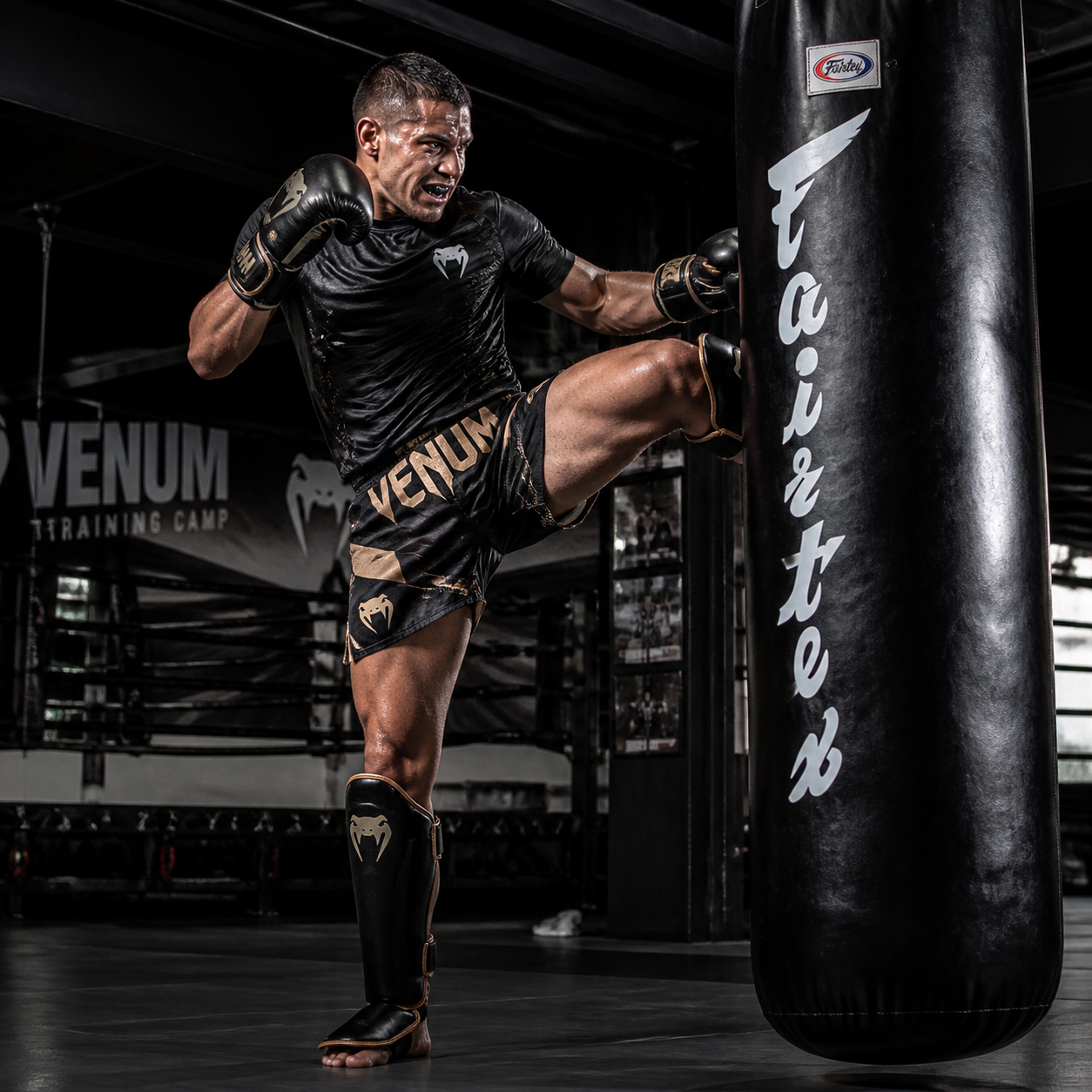
Kickboxing is a demanding sport that rewards preparation. Before you throw your first combination or step into your first sparring session, having the right equipment in your bag makes a measurable difference — not just in performance, but in staying healthy enough to train consistently. This guide covers every essential piece of gear, explains what each item actually does, and helps you figure out where to start without overspending.
Why the Right Gear Matters in Kickboxing
Proper equipment protects your body and directly improves the quality of your training. Kickboxing involves full-contact striking with both hands and feet, which creates injury risks that other combat sports don't always share — shin-to-shin contact, for instance, is a reality that pure boxing gear simply isn't built to handle.
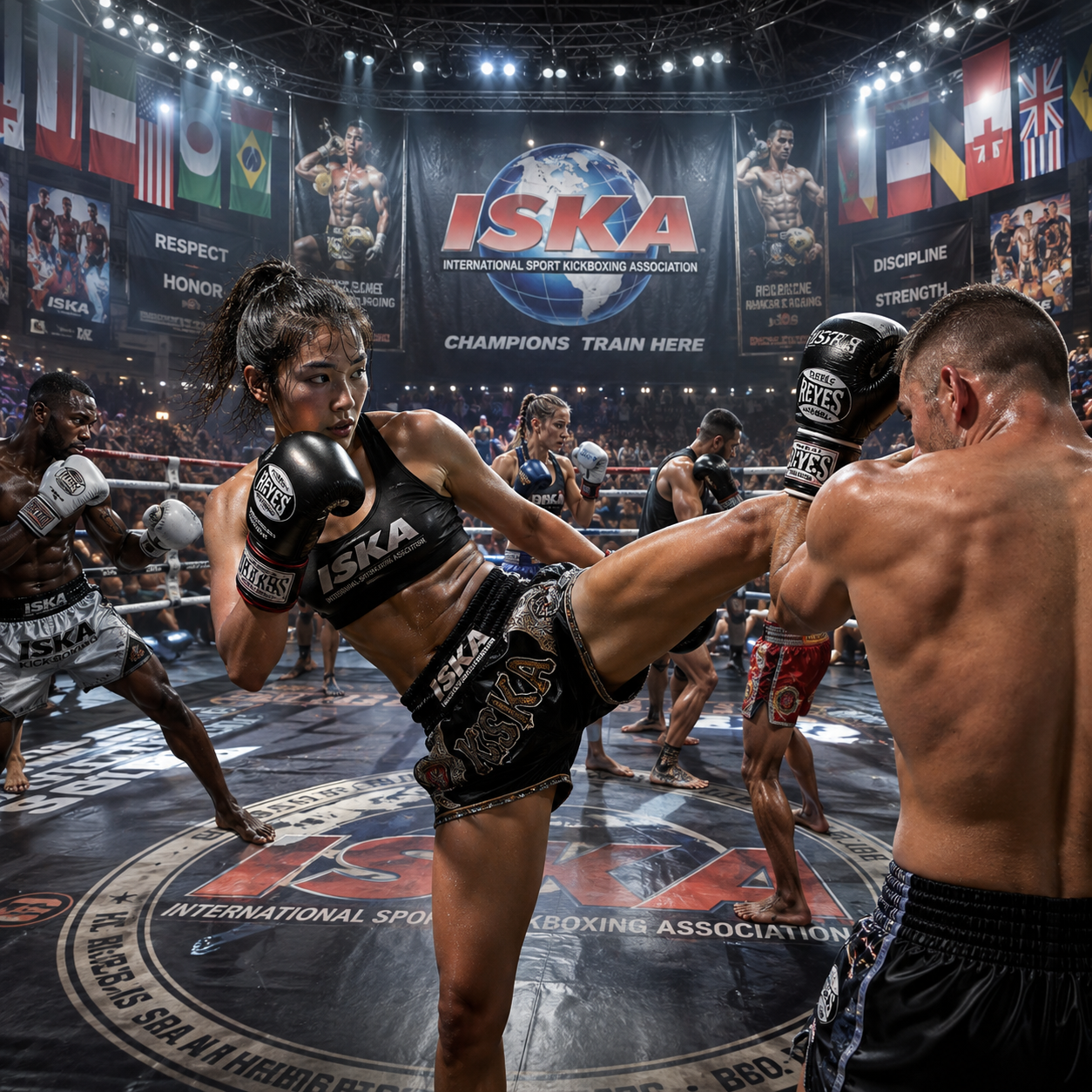
Structured kickboxing environments — gyms affiliated with recognized associations — typically enforce gear requirements for good reason. When every athlete on the floor is properly equipped, the entire training group benefits. Sparring becomes more productive because both partners feel protected enough to work at realistic intensity. Pad work becomes more precise when the holder has the right tools.
Gear doesn't replace good coaching or proper technique. But it does create the conditions where learning can happen safely and consistently.
Hand Protection: Gloves and Hand Wraps
Boxing gloves and hand wraps are the two most foundational pieces of protective gear in kickboxing — and they work as a system, not independently. Wearing gloves without wraps is one of the most common beginner mistakes, and it's one that leads to preventable wrist injuries.
Hand Wraps
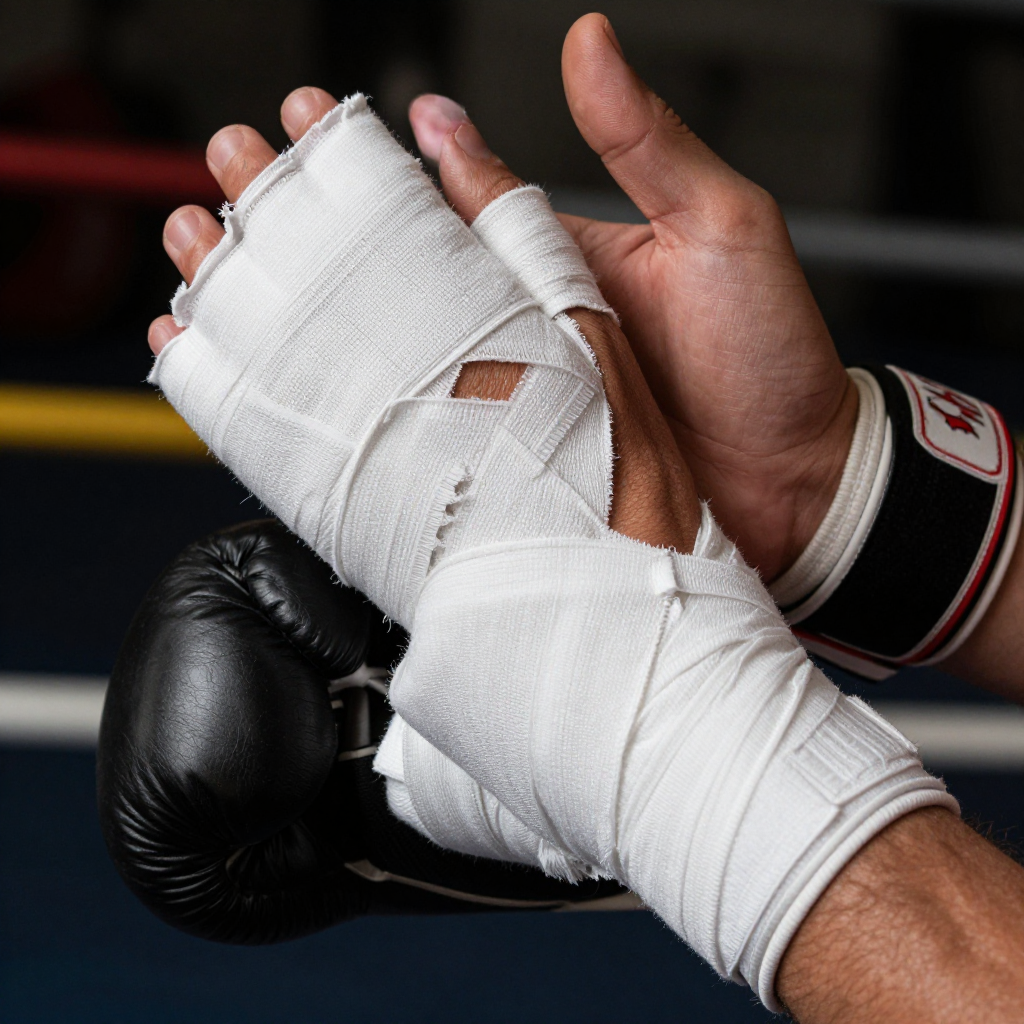
Hand wraps compress and stabilize the small bones and joints in your hand before the glove goes on. A proper wrap supports the wrist, knuckles, and the space between your fingers. Cotton elastic wraps (around 180 inches for most adults) give you enough length to cover all these areas. Learning to wrap correctly takes about ten minutes to figure out — most gyms will show you on your first session.
Boxing Gloves
For kickboxing training, glove weight matters. 12 oz gloves are a common starting point for lighter athletes doing bag and pad work. Most people training in a class setting use 14 oz or 16 oz, which offer more padding for sparring. Heavier gloves also build arm endurance over time, which is a secondary benefit worth knowing about.
Bag gloves and sparring gloves serve different purposes. Bag gloves are typically lighter and more compact. Sparring gloves have more padding to protect your partner. If budget is a constraint early on, a single pair of 14 oz or 16 oz gloves can handle both roles reasonably well.
Body Protection: Mouthguards, Shin Guards, and Headgear
These three items exist specifically to reduce injury risk during contact work. Each one addresses a different vulnerability, and all three become non-negotiable once you move beyond solo bag training.
Mouthguard
A mouthguard protects your teeth, jaw, and — importantly — reduces concussion risk by absorbing impact. Custom-fitted mouthguards from a dentist offer the best protection and comfort, but boil-and-bite options available at most sporting goods stores are a practical starting point. The key is actually wearing it, not leaving it in your bag.
Shin Guards
Shin guards are what separates kickboxing gear from standard boxing equipment. When you're drilling kicks on pads or working with a partner, unprotected shin-to-shin contact is genuinely painful and can sideline you for days. Foam-padded shin guards with instep coverage protect both the front of your lower leg and the top of your foot during contact exchanges.
For solo bag work, shin guards aren't strictly necessary — your shins will condition over time through bag contact. But for any partner work, they're essential from day one.
Headgear
Headgear is typically required for sparring in association-affiliated gyms, though policies vary. It reduces the impact of strikes to the head and protects against cuts. Open-face designs offer better visibility; cheek and chin coverage adds more protection but can feel restrictive. For beginners entering their first sparring sessions, full-coverage headgear is the safer starting choice.
Training Equipment: Heavy Bags, Focus Mitts, and Thai Pads
These are the tools that actually develop your kickboxing skills — power, timing, accuracy, and combination flow all get built through repetitive work on quality training equipment.
A heavy bag (also called a punching bag) is the single most versatile training tool in kickboxing. A standard hanging heavy bag between 70 and 100 lbs absorbs punches, kicks, elbows, and knees. Beginners benefit enormously from bag rounds because the bag doesn't move unpredictably — you can focus entirely on form and power generation. Freestanding bags exist for home use, though they tend to move more than hanging bags and feel different under hard kicks.
Focus mitts are handheld pads that a coach or partner holds while you throw punches. They develop hand speed, accuracy, and combination timing in a way that a stationary bag simply can't replicate. The holder can move, create angles, and call combinations, which makes mitt work one of the most skill-intensive forms of training.
Thai pads are larger, forearm-strapped pads designed to absorb kicks and knees in addition to punches. In kickboxing, Thai pad rounds are where you develop real kicking power and learn to chain punches and kicks into fluid combinations. Most association-level gyms will have Thai pads available, so this is gear you'll use at the gym rather than necessarily own yourself early on.
What to Wear: Kickboxing Attire and Footwear
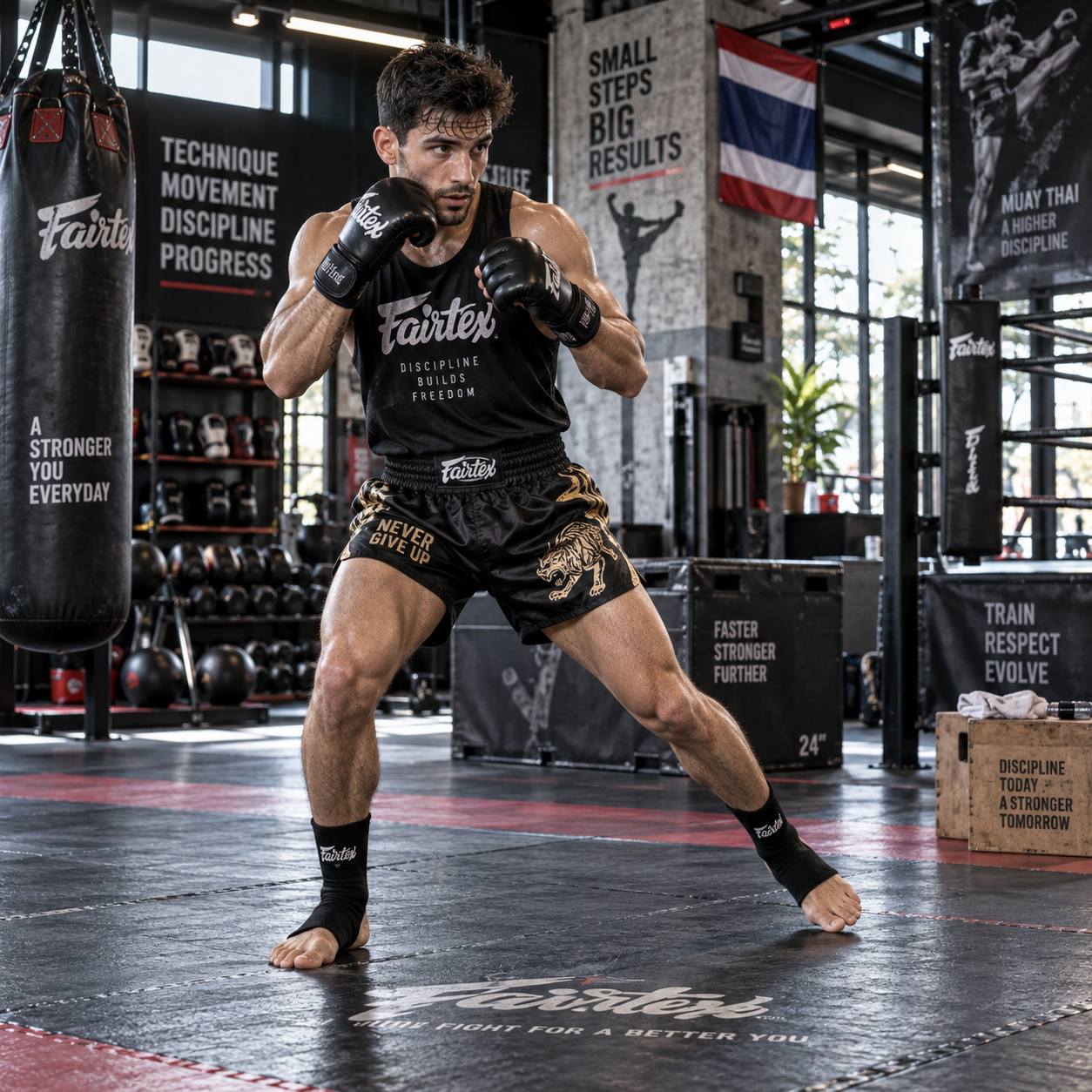
Appropriate training attire allows full range of motion and keeps you comfortable through high-intensity sessions. Kickboxing shorts are the standard choice — they're cut wide through the thigh specifically to allow high kicks without restriction. Standard athletic shorts or compression pants can work in a pinch, but anything with a tight waistband or narrow leg opening will limit your kicking range noticeably.
A fitted athletic shirt or rash guard works well on top. Loose shirts can bunch up during clinch work or grappling exchanges, which becomes distracting.
Footwear depends on your gym's surface and training type. Many kickboxers train barefoot on mat surfaces, which is standard in most association gyms. Some practitioners use lightweight boxing shoes for added ankle support on harder floors. Avoid training in running shoes — the thick soles interfere with pivoting and can actually increase ankle injury risk during kicks.
Conditioning Tools: Jump Rope and Other Fitness Accessories
A jump rope is one of the most underrated tools in a kickboxer's kit. Ten minutes of consistent jump rope work builds the kind of cardiovascular base and footwork rhythm that directly transfers to sparring. It's also cheap, portable, and can be done anywhere — which makes it one of the highest-value purchases you can make as a beginner.
Beyond the jump rope, resistance bands and a pull-up bar support the shoulder and rotator cuff strength that heavy bag work demands. Some practitioners use a speed bag to develop hand-eye coordination and shoulder endurance, though this is more supplementary than essential. As you progress, a protective cup or groin guard becomes important for any contact sparring — this is one item where skipping it even once tends to be a memorable lesson.
Beginner vs. Advanced Gear: Where to Start
Beginners should prioritize protection and fundamentals before investing in specialized equipment. The honest starting list looks like this: hand wraps, boxing gloves (14–16 oz), a mouthguard, shin guards, and appropriate training attire. That covers you for bag work, pad work, and light partner drilling from your very first class.
Headgear and a groin guard become necessary when you begin sparring — typically after several weeks of technical drilling. A jump rope is worth adding early because the conditioning benefit starts immediately. Everything else — Thai pads, speed bags, specialty footwear — can wait until you've established a consistent training schedule and have a clearer sense of what your gym already provides.
One practical note: many association gyms have loaner or rental gear for new members. Use this window to try different glove weights and shin guard styles before committing to purchases. Gear that fits well and feels right is gear you'll actually use consistently, which is the only metric that matters in the long run.
Frequently Asked Questions
What glove size do I need for kickboxing training?
Most adults start with 14 oz or 16 oz gloves, which work for both bag training and sparring. Lighter athletes under 130 lbs may find 12 oz sufficient for bag work, but 14 oz offers better versatility across training types.
Do I need shin guards for bag work or only sparring?
Shin guards are not required for solo heavy bag work. Your shins will naturally condition through bag contact over time. For any partner drilling, pad work involving kicks, or sparring, shin guards are essential.
Is headgear mandatory for kickboxing classes?
Headgear requirements vary by gym and association policy. It is generally mandatory for sparring and strongly recommended for any contact partner work. Check with your specific gym about their equipment requirements before your first session.
How do I properly wrap my hands before training?
Start at the wrist, wrap across the back of the hand, loop around the thumb, cross over the knuckles three times, weave between each finger, and finish at the wrist. A 180-inch elastic cotton wrap gives most adults enough length to complete a full, supportive wrap. Your coach or a more experienced training partner can demonstrate the technique in person.
Can I use boxing gloves for kickboxing, or do I need specific ones?
Standard boxing gloves work well for kickboxing training. The main difference is that some kickboxing-specific gloves have a slightly more open palm design that allows for catching kicks during clinch work. For most training purposes, quality boxing gloves are entirely appropriate and widely used in kickboxing gyms worldwide.