


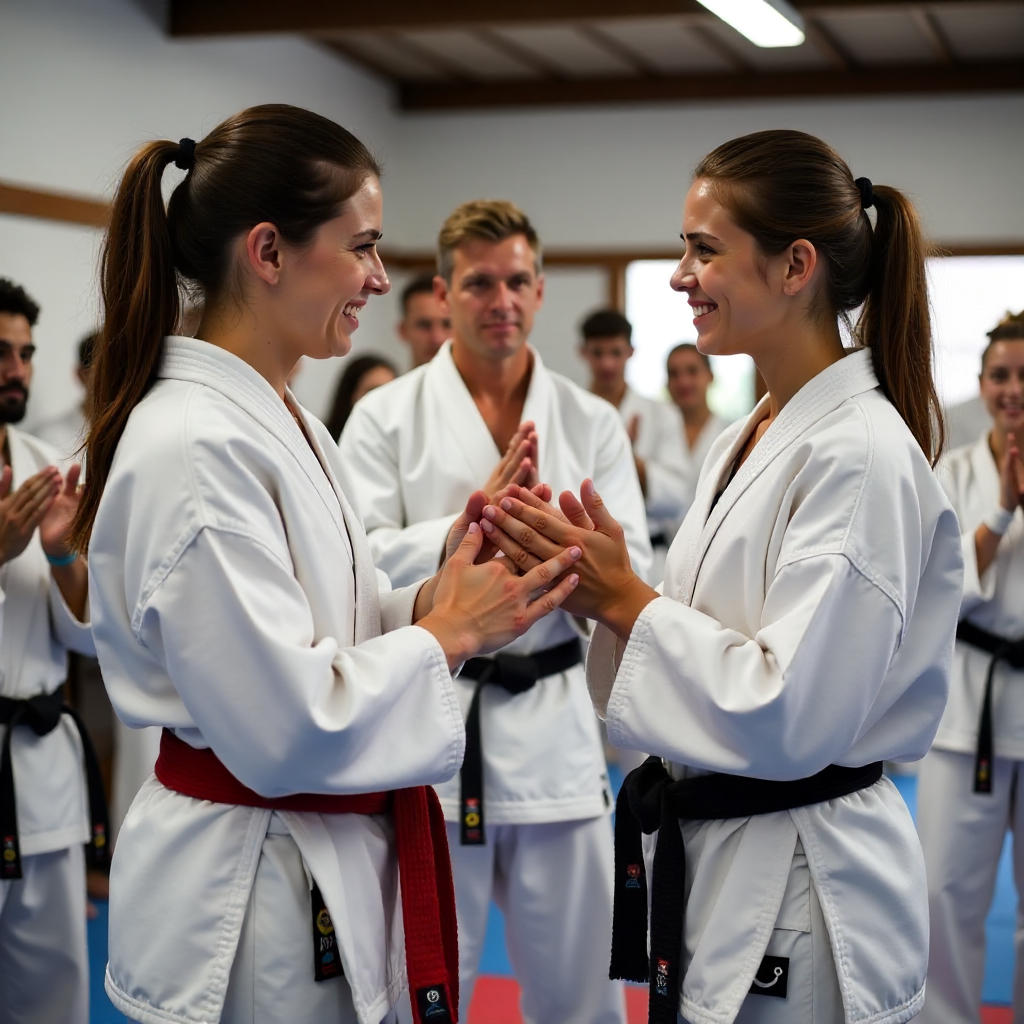

The Role of Nutrition in Martial Arts Performance
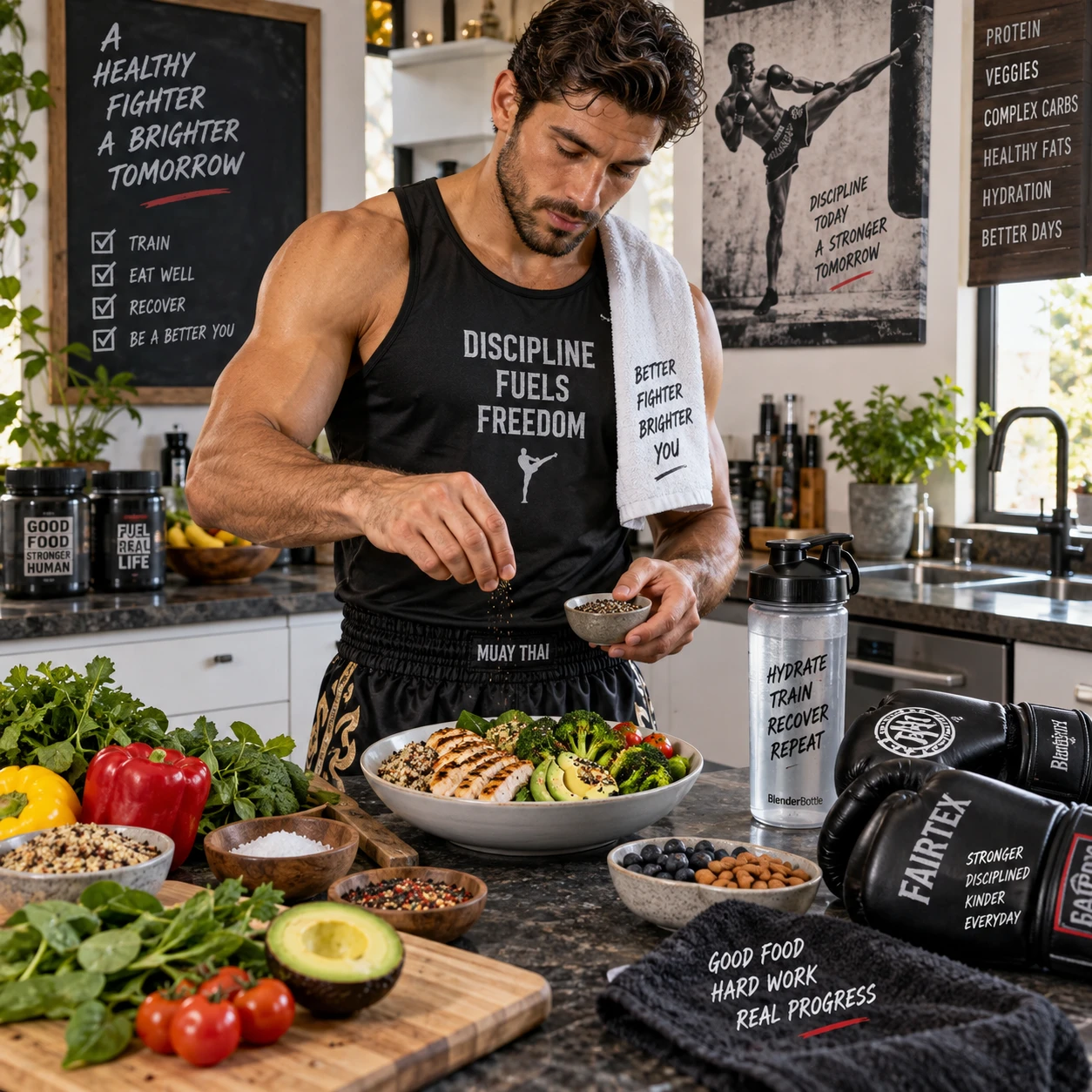
Nutrition shapes how you feel in the gym: whether you can sustain combinations, stay focused during drills, and recover for the next session. For kickboxers and other martial artists, a useful eating plan supplies enough energy and fluids for training while leaving room for personal preferences, work schedules, and changing training loads.
There is no single ideal diet for every athlete. The right approach depends on session intensity, duration, body size, health, and whether competition is approaching. Start with reliable everyday meals, then adjust based on how you perform and recover.
Why nutrition matters for martial arts training
Nutrition supports martial arts performance by supplying energy for training, helping you maintain concentration, and providing nutrients for training recovery. Consistent eating and drinking habits can make hard sessions feel more manageable, though food cannot replace sleep, coaching, or a sensible training plan.
Kickboxing mixes repeated high-intensity efforts with movement, technique work, and rest. Your body draws on stored carbohydrate as well as fat for energy, with the contribution changing according to the pace and duration of the session. If you arrive under-fueled, you may find it harder to keep your footwork sharp or repeat fast combinations late in class.
After training, food and fluids help replenish energy stores and support the repair and adaptation that follow exercise. That matters when sessions occur on consecutive days, but recovery is not determined by one perfect snack. The pattern across the day, including enough total food, protein, fluids, and sleep, carries more weight.
Use performance as feedback. Note whether you feel unusually hungry, sluggish, or light-headed, and whether soreness or fatigue lingers between sessions. These signs can have several causes, so persistent symptoms deserve attention from a qualified health professional rather than a quick diet fix.
The role of carbohydrates, protein, and fats
Carbohydrates, protein, and healthy fats each have a role in a balanced martial arts diet: carbohydrates support demanding work, protein provides building blocks for tissue repair, and fats contribute energy and essential nutrients. The right balance varies with training volume, body size, preferences, and health needs.
- Carbohydrates: Rice, oats, potatoes, bread, fruit, and beans can supply useful fuel, especially around hard or long sessions. Athletes with frequent intense training may need more carbohydrate than those doing occasional light classes. Cutting carbohydrates sharply can make it harder to maintain training quality for some people.
- Protein: Eggs, dairy, fish, poultry, tofu, beans, and lentils help provide amino acids for muscle repair and adaptation. Include a protein source in regular meals and snacks rather than trying to make up for a low-protein day with one oversized serving.
- Healthy fats: Nuts, seeds, avocado, olive oil, and oily fish contribute energy and support normal body functions. They are valuable in meals, but large, high-fat portions just before training may feel uncomfortable because they take longer to digest.
A simple plate can make meal planning easier: include a carbohydrate source, a protein source, and vegetables or fruit, then add fats to suit appetite and the meal. Adjust portions rather than banning entire food groups. If you train hard, are growing, follow a restricted diet, or have a medical condition, a registered dietitian can help tailor intake.
Hydration before, during, and after training
Hydration supports temperature control and normal physical function during martial arts training. Begin sessions well hydrated, drink according to thirst and conditions, and replace fluids after exercise without forcing excessive amounts.
Water is generally suitable for many ordinary classes. Needs rise with heat, humidity, heavy sweating, long sessions, and protective equipment that traps heat. A water bottle nearby makes it easier to take small drinks during breaks. Do not wait until you feel severely thirsty, but there is also no need to follow a rigid schedule that ignores your body and the session.
Electrolytes, including sodium, are lost in sweat. For a short, moderate session, regular meals and water are often enough for replacement. For prolonged training, very hot conditions, or heavy sweating, an electrolyte-containing drink or food may be useful. Sweat rates differ widely, so one athlete’s routine may not suit a training partner.
After class, drink with meals and respond to thirst. If you weigh yourself before and after a session, a noticeable change can help you understand your fluid loss, but daily weight also shifts for other reasons. Avoid deliberately overdrinking: taking in fluid much faster than the body can use it can be dangerous. Persistent dizziness, confusion, or severe weakness needs prompt medical attention.
What to eat around a training session
To eat around a training session, choose a familiar carbohydrate-rich meal a few hours beforehand, add protein when practical, and have a small, easy-to-digest snack closer to class if you need one. After training, eat a normal meal or snack with protein, carbohydrate, and fluids.
Before training
Meal timing should fit your schedule and digestion. A meal about two to four hours before training might include rice with chicken and vegetables, a bean burrito, or oats with yogurt and fruit. If you have less time, try a banana, toast, or yogurt rather than a large meal. Keep foods you already know sit well; a new, rich dish before sparring can be an avoidable distraction.
After training
There is no narrow recovery window that makes food ineffective if you miss it. Still, if your next meal is several hours away, a snack such as milk and fruit, yogurt with cereal, or a sandwich can provide carbohydrate and protein. Then return to regular meals and replace fluids based on thirst and the conditions of the session.
For back-to-back classes or demanding training days, make recovery food easy to access. Pack a snack before leaving home, especially if commuting makes a proper meal difficult. This practical step often matters more than chasing a specialized product.
Nutrition considerations for kickboxing competition
Kickboxing competition nutrition should help athletes arrive fueled, hydrated, and able to perform, while respecting the sport’s weight-category rules. Plan early with qualified support; rapid dehydration and severe food restriction can undermine health and performance.
Competition schedules vary. Some events involve weigh-ins well before a bout, while others leave little time between weighing and competing. Confirm the official rules, weigh-in timing, bout schedule, and available food and drink before making a plan. Familiar meals and snacks are safer choices than experimenting on event day.
Weight management is best handled over weeks or months, not through a last-minute cut. If an athlete needs to change weight, a sports dietitian and appropriate medical professional can help assess whether the target is suitable and set a gradual approach. Young athletes, people with a history of disordered eating, and anyone with health concerns should receive especially careful guidance.
On competition day, eat foods you have practiced tolerating during training. A familiar meal several hours before activity and small snacks between bouts may work, depending on timing and appetite. Avoid assuming that a particular supplement, energy drink, or rapid rehydration tactic is necessary; products can have side effects, and some carry contamination risks.
Building sustainable nutrition habits
Sustainable nutrition for martial arts performance starts with regular meals, enough total food, reliable hydration, and adjustments that fit your training week. Consistency usually beats complicated rules, but individual needs still matter.
Try a simple three-part check for a week: fuel your harder sessions with suitable meals and snacks, recover with regular protein-containing meals and enough overall food, and notice how energy, mood, and training quality respond. Change one habit at a time so you can tell what helps.
Common mistakes are often small but repeated:
- Skipping food before a demanding class: Some athletes do this to feel lighter, then struggle to sustain effort. If a full meal feels uncomfortable, try a modest snack and test it during ordinary training.
- Relying on supplements instead of meals: Powders and sports drinks can be convenient, but they do not automatically improve performance. Check ingredients and safety, and ask a qualified professional before using a product, especially if you compete.
- Copying another athlete’s weight-cut plan: Training loads, health, and weigh-in schedules differ. Get individual advice rather than following extreme restriction or dehydration methods.
For concerns about energy, injury recovery, digestive symptoms, a restricted diet, or making a weight category, consult a registered dietitian or clinician with sports experience. Nutrition should support martial arts training and long-term health, not make either harder.
Frequently asked questions
What should I eat before kickboxing training?
Choose familiar foods with carbohydrates, such as oats, rice, bread, fruit, or potatoes, and add protein if timing allows. Eat a larger meal a few hours before class or a small snack closer to training, based on your comfort.
What helps recovery after martial arts training?
A regular meal or snack with protein and carbohydrate, sufficient fluids, and adequate sleep supports recovery. If you have another session soon, prepare food in advance so a long gap does not leave you under-fueled.
How much water should I drink during training?
There is no single amount that suits every session or athlete. Drink to thirst and use breaks, while accounting for heat, duration, and how much you sweat. Do not force large volumes of water.
Should martial artists use supplements?
Most athletes should first establish a balanced diet and address any specific nutritional gaps. Supplements are not automatically safe or effective; seek advice from a qualified professional and choose products that have been independently tested where available.